Put simply, the 2026 regulations for cosmetic tattoo safety in Australia are this: while the practice is legal here, an artist has to satisfy a host of health, chemical, local council and state or territory rules before he puts a needle to skin. In the real world that translates to having your premises in order, lawful pigments, infection control and prevention in place, the right consent and age checks, and whatever notification or approval the state demands.
You do not have to be told it is a bit of a rough business. I would put money on Eleanor Maris making the same point over her Fitzroy coffee, but one of the traps I come across is folk who think cosmetic tattooing is regulated in the manner of beauty therapy. It is not. As soon as there is skin penetration you are under the jurisdiction of Australian skin penetration laws and far more onerous infection control requirements from the council.
What The Rules Mean
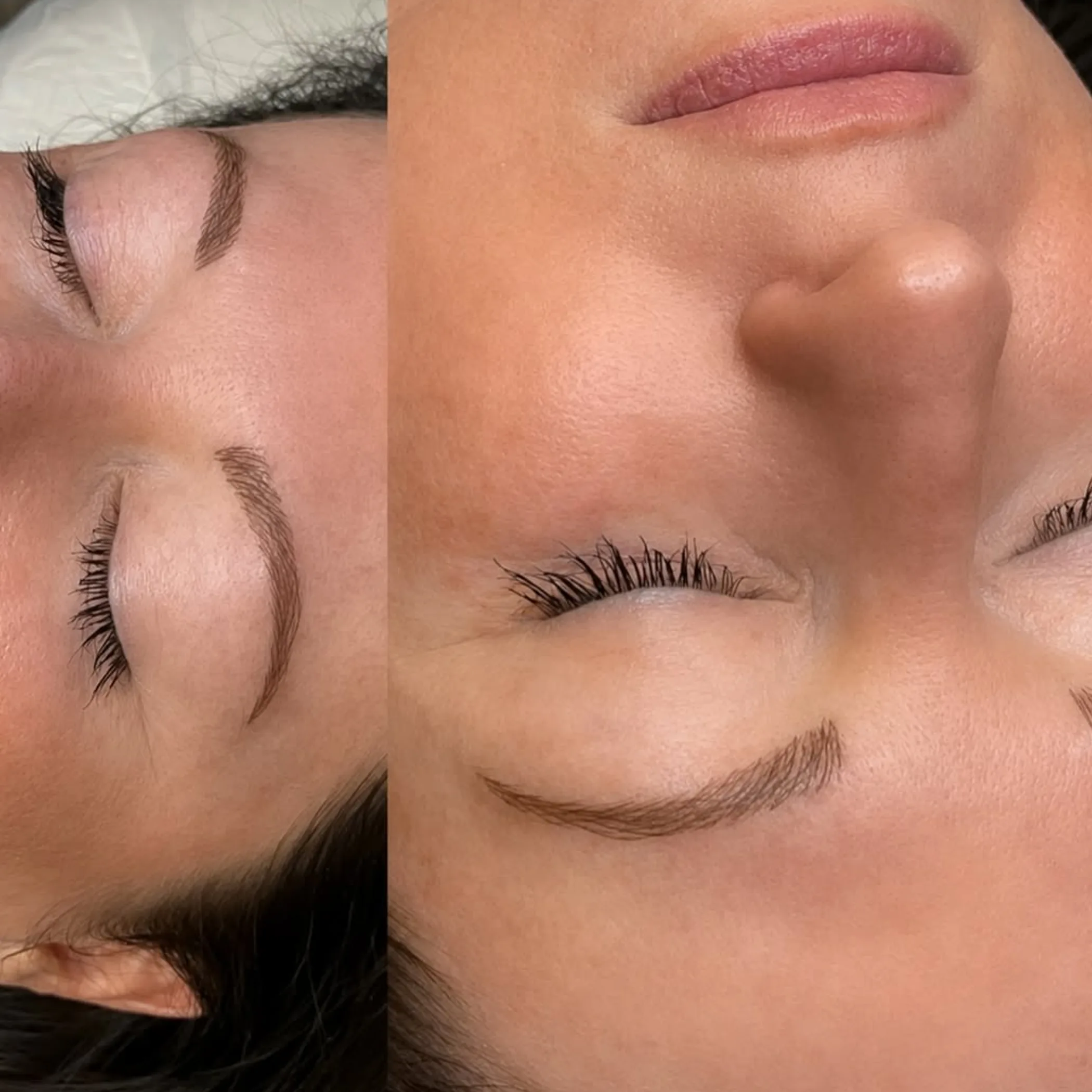
Forget the brochure fluff and theory, this is what is required of you and where the line is. Because they entail penetrating the skin, cosmetic tattooing and permanent makeup (and most microblading) are regarded as higher-risk personal appearance procedures, not your run of the mill salon work.
Consequently it has implications for all parties. An artist will find his training, documentation, setup and choice of pigment governed by the rules. For the client it is a matter of safety and aftercare, and whether face tattoos are permitted in Australia. They are, in short, provided the service is in keeping with the law.
Defining Cosmetic Tattooing
Regulators in Australia would class anything from brow and eyeliner work to scalp camouflage and areola treatments as cosmetic tattooing if the pigment is being implanted in the skin on a semi-permanent or permanent basis. Microblading is in the same category given the deliberate nature of the procedure.
I am often asked if nomenclature makes a difference to one’s legal standing. Not really. You can call it “feather touch” or “nano brows” or “semi-permanent makeup”, but you are not going to get around the 2026 permanent makeup regulations in Australia when you are putting pigment in the skin.
Who Is In Charge
In true Australian fashion there is no national licence for cosmetic tattooing, yet you will find several authorities with an opinion. There are national stipulations on therapeutic claims and chemicals, public health rules for skin penetration at the state or territory level, and the local council will want to see your premises registered or inspected.
Do not make the mistake of thinking an approval is a blanket cover. You could be in order on your pigment imports and still not pass the council, or have a fine treatment room but be short of the paperwork for your inks.
National Bodies
Tattoo ink regulations in Australia are of consequence to AICIS (the Australian Industrial Chemicals Introduction Scheme) because it is the body for industrial chemicals. Importers and manufacturers should know their stuff when it comes to the scheme, and studios ought to be demanding a compliance certificate or the like from their suppliers.
The TGA is the federal authority to go to if a product is being put forward as a therapeutic good. To put it in plain English, unless you are clear on the legalities, do not start marketing a procedure or pigment as a cure for a medical condition.
State, Territory And Council
Public health risks, operator duties and infection control are the purview of the states and territories. Your Local Council may be on top of any notifications or inspections for your premises.
Hence why “cosmetic tattoo licensing Australia” is something of a misnomer in some quarters. What is referred to as a licence might in fact be a health notification or a public health act compliance. So do not go looking for a certificate if what is called for is council approval.
Compliance
Make a point of reading this section. The way to deal with the 2026 regulations is to have your compliance in layers: the products, the people and the procedures, the premises and the paperwork. You might have Eleanor Maris term it the unsexy part of the job, yet it is what keeps a fine studio from turning into a legal problem. All the trimmings in the world are of no consequence if your records, hand hygiene and sharps disposal are anything but sound.
Premises And Setup
In most jurisdictions one will find an expectation, if not a requirement, for a treatment area that is properly cleanable, safe handling of sharps and clinical waste, documented cleaning protocols and some form of handwashing basin or other arrangement as the locality dictates. Then there is the matter of council premises registration tattoo Australia; obligations can be a different story in another municipality and a home studio you would have in one place may be put down in the next.
There is a certain disparity between what new operators expect and the reality. They put down technique training as the chief obstacle when in fact the fit out of the premises will run them to more. It is not uncommon for setup to cost well in excess of AUD 10,000 if you need to put in new plumbing, ventilation or partitions, rather than a couple of thousand dollars at a pinch. And should you be on a lease, make sure the landlord is on side before you put in the wallpaper.
Training And Skills
Infection control is not something you can do without, regardless of what the jurisdiction or employer says about courses. Safe practice calls for a baseline of units like HLTINF005 and first aid HLTAID011 in many cases.
It is a mistake to think aseptic technique is a matter of picking it up as you go. Before you have paying clients you ought to have a handle on cross-contamination risks, instrument and hand hygiene, setting up a clean field and how to respond to an incident. For mobile operators who work in various spaces this is all the more so.
Records And Aftercare
Paperwork is hardly glamorous but it has its uses. An adequate tattoo consent form Australia process will have client ID, medical history, procedure and pigment batch information (where you can get it), age verification, any patch testing done and photographs if allowed.
The client is concerned with how long the eyebrow tattoo will last; the regulator wants to know they were made aware of the infection signs, sun exposure, the need for touch ups and that the fading is to be expected. Written aftercare is as much a defensible safety measure as it is good service.
Ink And Pigment Rules
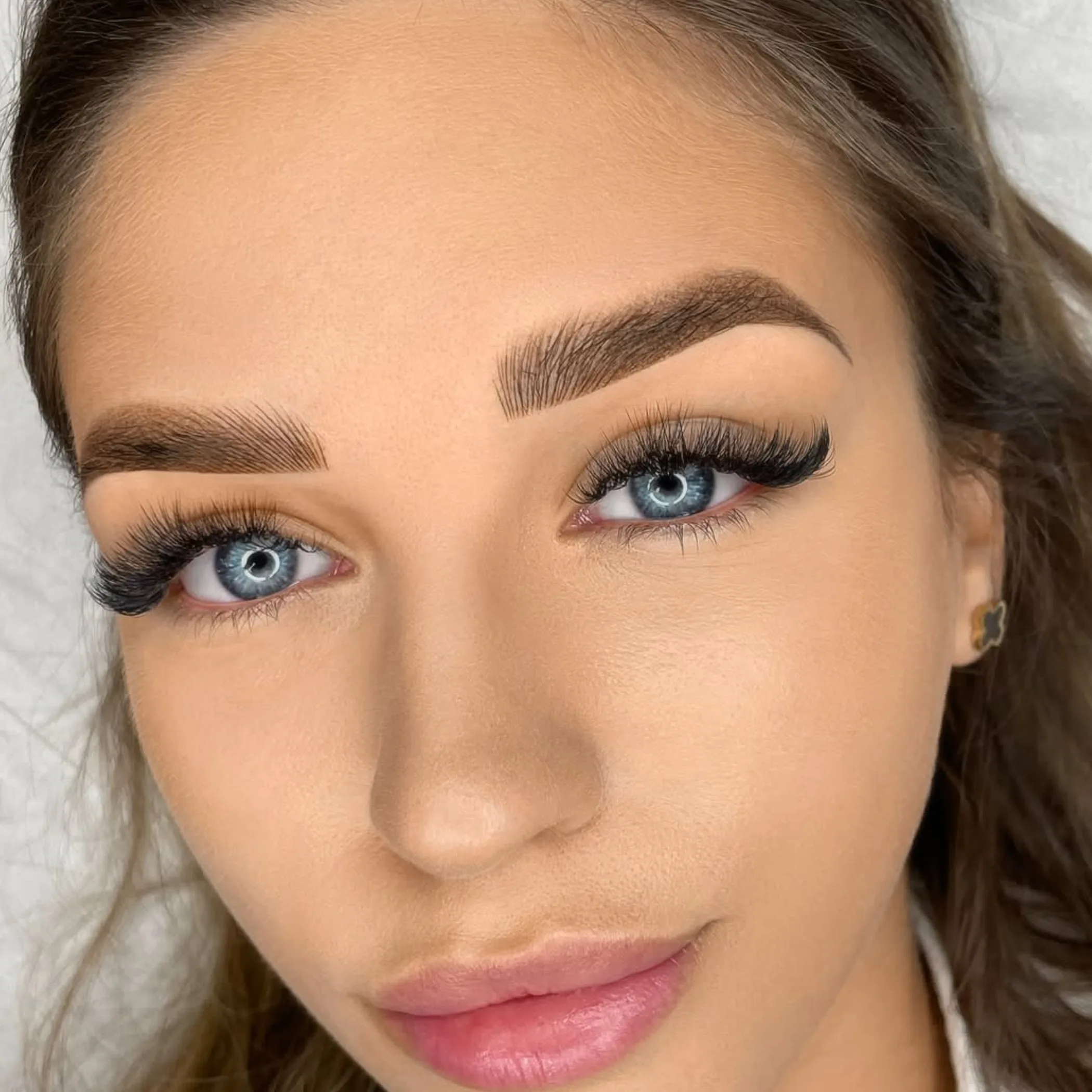
Of the industry’s more important concerns this is also the muddiest. A professional looking label on some cheap cosmetic tattoo pigments you have ordered online is no guarantee they are up to scratch.
What you want to know is whether the supplier can produce lawful and traceable compliance, not if the bottle is there. AICIS tattoo inks and product documentation are key.
AICIS And Supply Chain Checks
Tattoo inks and pigments can fall under the Australian Industrial Chemicals Introduction Scheme. A studio owner would be wise to go with an Australian supplier of repute who will put forward the supporting documents and explain the pathway to compliance instead of making light of it. Have them give you the ingredient list, SDS, batch numbers and a statement or certificate of pigment compliance. When a distributor does not know the manufacturer or how it satisfies Australian requirements, take it as a cue to step back.
TGA And Claims Risk
With the TGA it is usually a question of the way a product is put forward. Should it be sold as a means of treating or diagnosing a condition then you are subject to further regulation. Artists would do well to use language that is accurate and not medical unless they have the clinical and legal standing to do so, which is doubly the case with paramedical or scar revision work.
Consent, Age, And Client Proof
Some clients may view cosmetic tattooing as closer to a salon experience than body art, but you cannot afford to be so casual with identity and consent checks.
Do not assume there is a national law on age limit tattoos Australia that holds true across the board. The states and territories have their own rules when it comes to minors and parental consent.
Dealing With Minors
Given the variation in the laws, it is best to check what is in force in your state or territory before you put pen to paper with anyone under 18. In some places it is off limits for a minor to be tattooed save in very particular instances, so treat it accordingly.
One does not proceed where the legal standing is in doubt. The proper course of action is to put a government ID to the test, make a note of having done so and then stop short if there is any ambiguity. An investigation or a complaint is no price to pay for a booking fee.
Consent That Is Your Protection
There is more to a consent form in good standing than a box to be ticked. It must be an affirmation that the client has been made aware of the procedure and its attendant risks, from alternatives and the prospect of touch-ups to pigment migration, infection, what to expect in the way of healing and aftercare.
I have come across forms of such vagueness they might as well read “stuff happens”. Should a client put forward a claim down the track that they were not apprised of scabbing or fading, the perils of cold sores with lip work or how the sun will impact retention, you will find that form of little use.
A State By State Overview
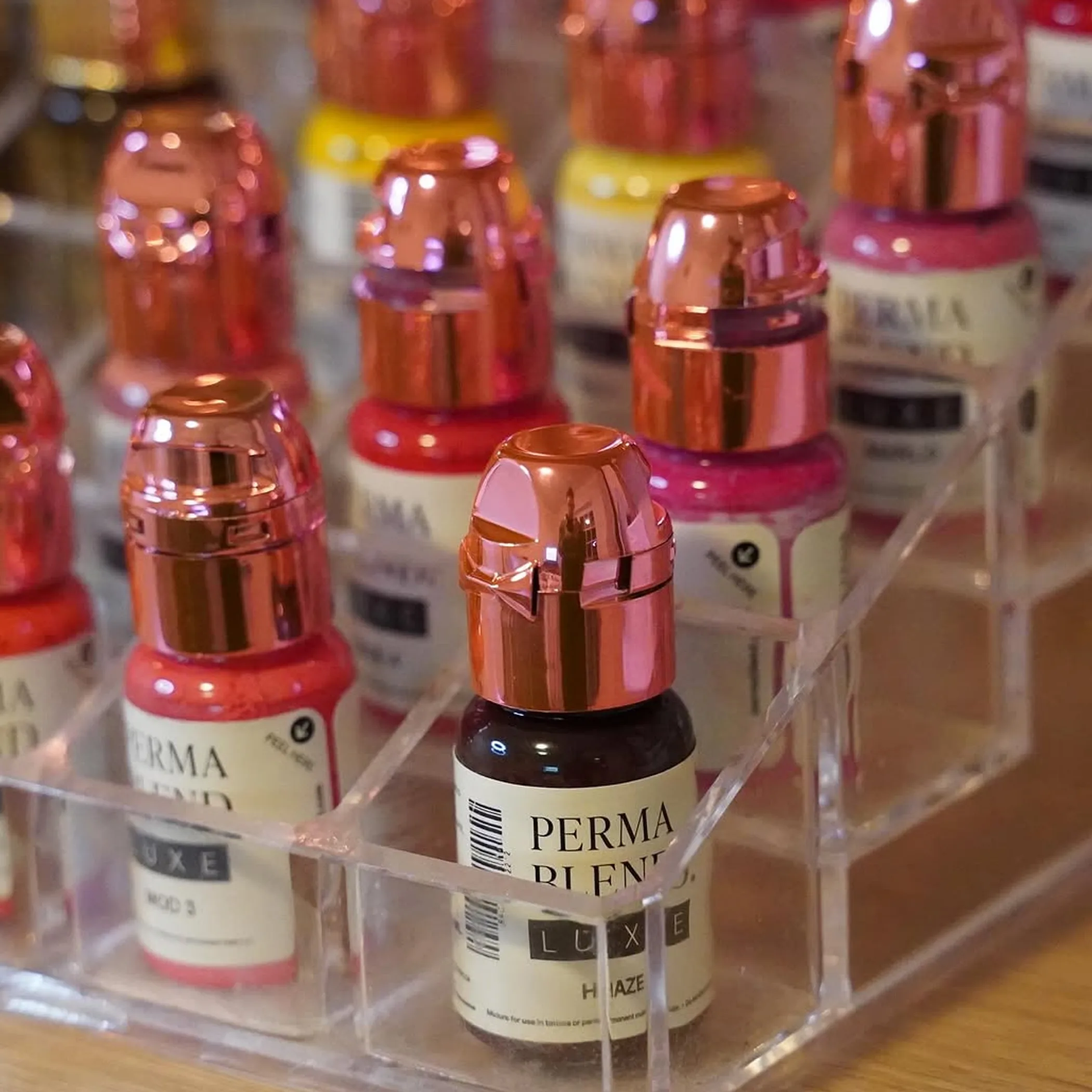
The following is a straightforward map of things, not a legal conundrum. While the overall pattern holds true in most places, the means of compliance can be quite another matter when it comes to premises registration or whether a state health department or local council is the one calling the shots.
For those making a move, do not think your existing arrangements will transfer as easily as a carry-on. What passes for an approved treatment room in Melbourne could call for other papers in Brisbane or Perth.
| State/Territory | Main Oversight | Where people are caught out |
| NSW | Local councils and the NSW Health framework on skin penetration | Timing of a council inspection, cleaning records and the like for notification/registration |
| VIC | Victorian Department of Health and environmental health at local government level | The distinction between a beauty service and something of higher risk |
| QLD | Queensland Health via the Public Health (Infection Control for Personal Appearance Services) Act | Infection control records and the obligations of high-risk services |
| WA | WA Health, with local government administering in many instances | Operators tending to make assumptions about home studio approvals |
| SA | Public health requirements of SA Health and the council | Gaps in documentation, waste handling and setup |
| TAS | State controls enforced locally | Not checking the rules on a premises before putting it in order |
| ACT | Territory regulation and the local processes | To suppose an interstate approval is automatic |
Queensland’s Approach
You will find Queensland a case in point for a defined legislative framework. The Public Health (Infection Control for Personal Appearance Services) Act is the one to heed for any high-risk skin penetration work. Do not wing it; familiarise yourself with what Queensland Health says and conform your methods accordingly. They are not inclined to be lenient with salon systems that are ill-defined. Proper instrument management and a compliant environment are called for.
Victoria, NSW, WA, SA, TAS, ACT
Cosmetic tattooing remains regulated in these jurisdictions but the nomenclature and the administrative side of things are not uniform. The respective health departments in Victoria, NSW, WA and SA all have their guidance for skin penetration, while the councils tend to do the inspecting.
It is sound advice, if unexciting, to put in a call to the council and get confirmation from the state health authority. It prevents the error of spending a fortune on a room only to find the basin or the registration path is an expensive metre off.
A Checklist for Compliance
Not to be taken as legal counsel, but this working list will see you avoid the usual pitfalls when setting up or auditing a studio.
- Make sure you know how your service is categorised in your state, be it skin penetration or otherwise.
- Before you open for business, satisfy yourself on the state and local council stance on registration or notification.
- Your treatment area should be conducive to hand hygiene, the disposal of clinical waste and sharps.
- Have your infection prevention and control procedures in writing and in line with aseptic technique.
- See to it that staff are up to speed on Australian cosmetic tattoo infection control, including first aid HLTAID011 and HLTINF005 training.
- Only deal with pigment suppliers who can produce the traceable documentation for AICIS inks compliance.
- Have on file your aftercare instructions, incident logs, batch numbers, treatment notes and age verification.
- Be ready for the council to turn up with your waste contracts and cleaning logs in hand.
On Enforcement
Regulators will make a move on the back of an adverse event or non-compliance, or when a complaint or inspection warrants it. But the risk is not one to dismiss. Depending on the jurisdiction and the nature of the breach, enforcement is not limited to one thing; it can mean a warning or an improvement notice, but also prosecution, infringement penalties or closure.
There has been a shift in the current period towards more exacting standards. Infection control is under a closer eye, chemical compliance is better understood and there is little tolerance for those who would have you believe cosmetic tattooing is no different from a brow tint. Put simply, the industry is being made to be taken seriously, which is as it should be for anyone conducting themselves properly.
What operators overlook
For the most part the blind spots are unexciting: records that are not what they should be, home operations lacking council sanction, supplier documentation that does not hold up to scrutiny, cleaning protocols that are wanting. Then there is cross-contamination, less from any gross error than from small habits like putting contaminated gloves to a drawer or having clean and used tools on the same trolley.
Transport and mobile work is another matter. One has to put some thought into storage, waste disposal, lighting, privacy, hand hygiene and the like when moving about. A mobile cosmetic tattooing operation is feasible enough, though not for the novice and it will draw its share of attention.
Official channels
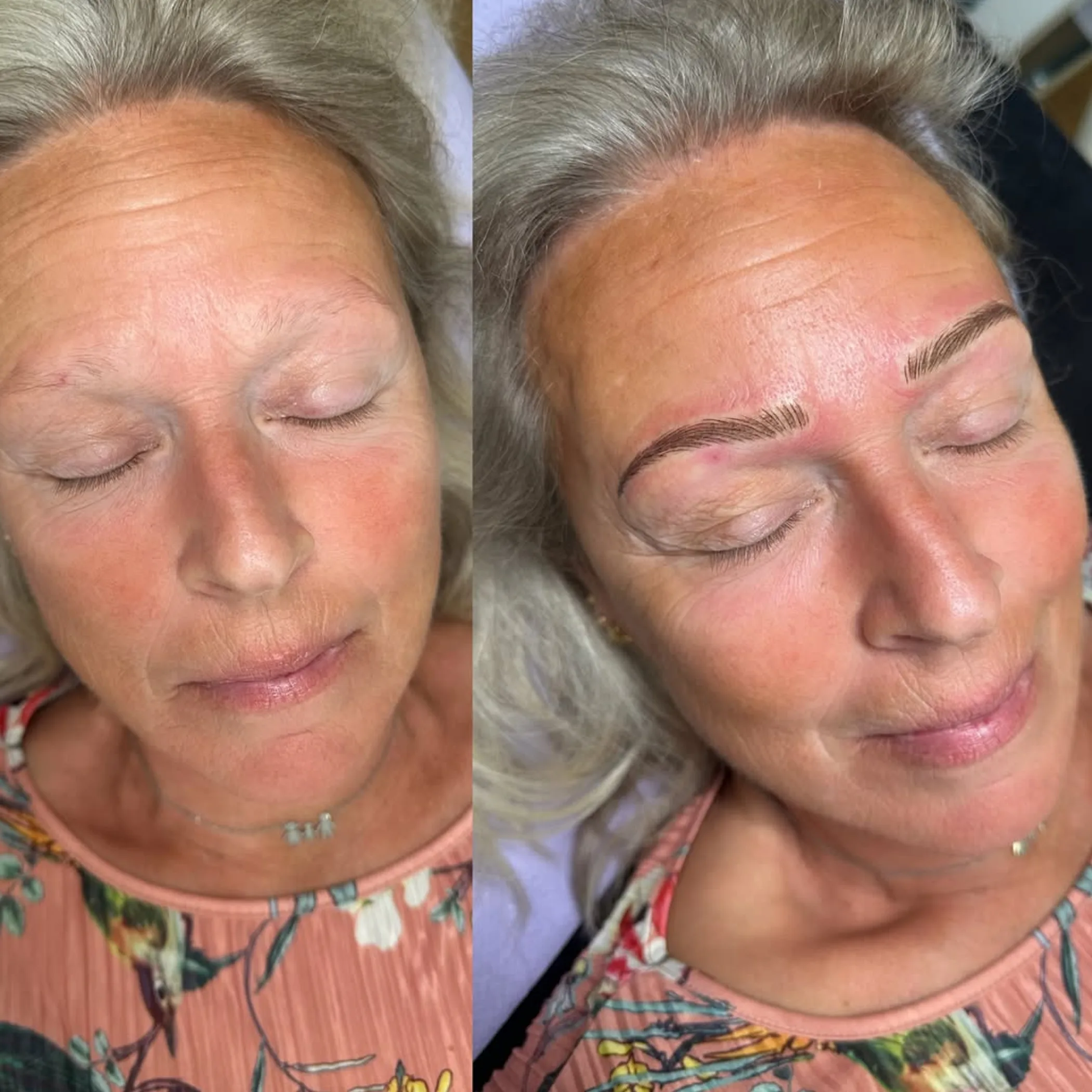
There is no need for a stress headache and twenty open browser tabs. Follow the proper sequence: state health guidance first, then the local council, your pigment supplier’s compliance papers and federal agencies where product claims or imports are a factor.
APAN may well serve as an education resource and set professional standards, but the government regulators and their legislation are the source of any official requirement. You will find all manner of self-styled experts on social media after an online masterclass, but do not start there.
- Identify the skin penetration service guidance from your state or territory health authority.
- Make contact with your Local Council on the subject of zoning, home-business rules, inspection and premises registration.
- See to it that your supplier paperwork is in order for AICIS tattoo inks and pigments.
- Any claims of a therapeutic nature will bring the TGA into the equation, so check their requirements.
- Your consent form, aftercare and infection control procedures should be updated prior to a relaunch or opening.
A word from Eleanor
The rule of the land in Australia for a cosmetic tattooer is straightforward: this is a regulated skin penetration service, not something to be regarded as a casual beauty extra. That is how you keep your business intact when an inspector or a complaint comes calling, and your clients safe.
Eleanor Maris would put it in the same vein as she does skincare out in the southern sun: the honest basics are worth more than any glossy promise. See that the room, the records, the pigments and your infection control are right and you will be a long way in front of the operator who is content to let the gaps go unnoticed.
Frequently Asked Questions
Here are some practical answers to the questions we see most, usually from people in a bit of a flap over contradictory things read on the internet.
Face Tattoos: Are they legal in Australia?
They are, provided the operator and the premises are in line with the applicable local, state and territory rules. This includes cosmetic work on the lips, brows or eyeliner. But legality is not a free pass from obligations such as age verification, consent and infection control.
Is there a risk of ink entering the bloodstream?
Some of the pigment will make its way through the body once implanted, hence the importance of safety and provenance of the ink. It is not to say every procedure is without risk, but it is why you must be aware of ingredients and employ sound technique.
Does Australia regulate tattoo ink?
In a sense. There are no easy label rules. The AICIS has controls on chemical introduction and the TGA can be involved over product claims. Studios ought to deal with suppliers able to produce traceable documentation.
Home tattooing in Australia?
Only if the home is in keeping with public health and council planning rules and the premises are up to regulation. Do not be under the impression a tidy spare room is good enough; home studios are where many an operator gets into trouble.
Are the consent and age rules uniform across states?
Not at all. While the principles are much the same, the law is not. Before you treat a patient you would do well to verify the position in your state or territory on minors, identity proof and the like.
Further reading: eyebrow tattoo longevity.