Solar Panel Cleaning
How often one cleans a solar panel in any given part of Australia is down to a host of factors: the dust and salt, the rainfall and humidity, and what the local wildlife has put there. Tracking dust accumulation on arrays can help determine the right schedule. For the average home here, a clean every six to twelve months is reasonable, though those with panels in a coastal or dusty inland locale would do well to put some time aside for them every three to six months.
I am Eleanor Maris and I can tell you that maintenance in this country does not tend to fit into a tidy calendar. There is all the difference between a roof in Melbourne taking winter rain and one in Perth with summer dust to contend with, let alone a system up in the Top End where you have the wet season, the humidity and bird droppings to deal with. The sensible thing to do is to look at your energy data and make a seasonal clean of it.
Cleaning by Climate Zone
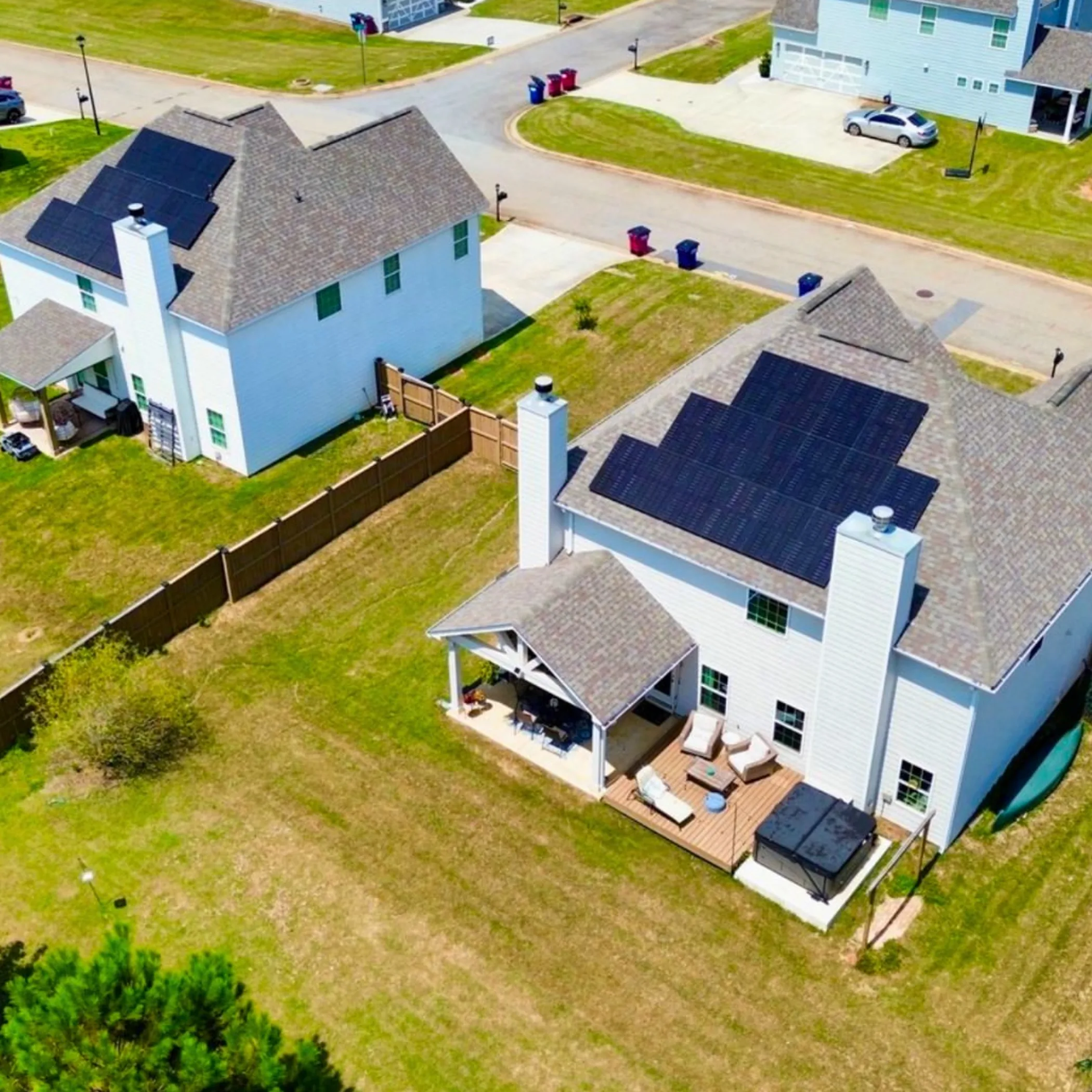
You will find a certain rhythm to your maintenance once you have an idea of the climate zone you are in, whether you are going to call in a cleaner or put on a pair of boots and get on the ladder yourself. While the National Construction Code puts Australia into eight zones, it is simpler to think of household solar in terms of tropical, subtropical, temperate, arid, semi-arid and coastal conditions.
The following table is a good place to start, but it should not replace an actual inspection of the roof; a panel next to a gum tree will be filthier than its neighbour down the street. For a better handle on local seasonal conditions and rainfall, the Bureau of Meteorology has the information on its site under Australian climate information and observations.
| Australian Condition | Typical Cleaning Interval | Main Contaminants | Best Review Period |
|---|---|---|---|
| Tropical, northern Australia | Every three to six months | Mould film, storm debris, bird droppings and humidity | When the wet season is done |
| Subtropical, n. NSW and s.-e. Qld | Four to six months | Organic matter, salt spray, pollen and dust | In the wake of a major storm or dry spell |
| Temperate, southern cities and inland | Six to twelve months | Leaves, bird droppings, dust and pollen | Early summer or late spring |
| Coastal | Three to six months | Seabird droppings, airborne dust and salt | Either side of the hard summer |
| Arid/semi-arid | Three to six months | Fine sediment, ash and desert dust | Following bushfire smoke or dusty weather |
Do not take these as edicts from the solar gods. They are merely a guide. A shallow roof will hold grime in the lower frame where a steeper one lets the rain run off. And if the panels are near the sea or an unsealed road or construction work, expect to check them more often.
Why Panels Require a Clean
You are confronted with different sorts of dirt in different climates. Rain will wash away loose dust but is no match for oily pollution, sticky pollen or bird droppings. Sometimes a light rain just makes a muddy spot that dries on the glass and leaves it rough as guts.
Efficiency and energy yield suffer when anything comes between the light and the photovoltaic modules. How much you lose is contingent on the nature and thickness of the contamination, so there is no honest way to put a blanket percentage on it.
Then again, do not count on the rain to do everything
After a long dry spell a good rain is welcome, but it is not a thorough washing. A brief shower will only put the grime about on the surface, whereas a proper downpour might clear a sloped panel. Flat roofs are apt to show their dirty edges and water marks.
One would be mistaken to regard rainfall as a sure fire clean. Put your monitoring system to the test and see the kilowatt-hours over a week before and after, making allowances for the sun and clouds. That is a better measure than standing in the driveway and eyeing the glass.
Dust, Salt, Pollen
If you are close to a mine or a building site, or on an inland highway, the arrays will pick up dust. The kind of fine desert stuff can make its way from the Red Centre or The Pilbara to where people live. You might be surprised at what a roof near the Stuart Highway will accumulate.
In the coastal districts there is salt spray to put a thin, tenacious film on the panels even if they appear to be clean enough. It is more than cosmetic, as over time the frames and fixings and electricals in the vicinity can be affected by repeated deposits of salt. Spring brings its share of aggravation in the form of pollen and other plant matter from the air, under trees in particular.
Birds, Ash And Roof Debris
You will find bird droppings make for concentrated patches of shade. A single one on a small part of the panel is of more consequence than a fine dusting all over since it puts a stop to light in that spot. The same can be said for leaves, twigs or ash from a bushfire when they have a chance to build up at the edges of the panels.
Should you put out a dry cloth after an ash or smoke event you are making a mistake. Ash has an abrasive quality and will put fine scratches in the glass whether wet or dry if you rub at it. Better to have a look first and see what the manufacturer says by way of care; if getting on the roof is not easy, call in a professional cleaner.
Tropical And Subtropical Roofs
The sun, humidity and biological growth are only part of the equation for tropical and subtropical systems; heavy rain is too. While the wet season might do some of the rinsing, a storm can leave behind mud, leaves and fine debris. In northern Australia there is ample cause to go over any cabling or mounts from the ground when cyclone warnings are in force from November to April.
One could make a case for a three-monthly review if the property is near the coast or shaded by trees, but as a rule of thumb check the panels once the wet is done and again in the dry. A roof in good order is preferable to one that is simply clean when the weather gets feral.
Wet Season Checks
A tropical storm is no time to be walking on the roof. Algae, a broken tile or a slick surface are enough to see one in the emergency department over what was meant to be a routine inspection. Stay on the ground and see if there are hanging cables, blocked gutters, displaced panels or new obstructions from branches.
Cracked glass or water on the roof calls for the system to be shut down, provided it is safe to follow the installer’s procedure for doing so. Exposed wiring is another reason. Do not think the inverter is quiet and the job is done; in daylight the panels are still putting out electricity. If in any doubt, get a licensed electrician or solar professional.
Temperate And Coastal Homes
Places like Canberra, Adelaide or Melbourne and the southern inland do not require as much attention as their dusty or tropical counterparts. Then again, winter rain is not a cure for every contaminant and in spring the pollen will put down a thick layer on any roof abutting a garden or park.
Homes by the sea should be put on a shorter cycle for inspection. Dust and salt spray from the sea air make a film that is hard to shift. You may think the panels are just looking dull but the fasteners and brackets are having a harder time of it.
Timing For Spring And The Coast
For most in the temperate zones late spring is the time to deal with the accumulation of months of bird activity and leaves. Get the roof cleaned before the height of summer if it is accessible. Out in the coastal suburbs one inspects when the onshore winds have been through, not by the calendar.
I used to think the rain would take care of things when I made my home in Melbourne. It did not. The week that left the footpath pristine put a pale film on the windows and balcony furniture and no doubt the panels I had not bothered to look at. The weather in Australia is nothing if not bountiful, free cleaning is something else.
Arid And Semi-Arid Areas
Dust accumulates with speed in arid climes. With little rain and plenty of wind and traffic, panels can be under a coating for weeks. An unsealed track or a road train in a regional town will add more grime than the forecast indicates.
Depending on the severity of a dust event, you may have to remove it from the panels every few months. Bushfire ash needs to be dealt with as soon as it is safe, but with a light hand. Leave the pressure washer and household chemicals where they are.
After Dust And Bushfire Smoke
Make sure the roof is safe and the air has cleared. Your local fire authority will have advice on bushfire conditions where an unstable roof or smoke precludes any work. Thick or hard to get at ash is best left to a pro rather than trying to improvise in the heat.
On a day set aside for maintenance, compare your energy data, read the inverter and inspect from the ground. There is no point in spending the day on a roof that is steep or hot over a bit of dust. Let the system’s performance and safety be your priority, not some record of ladder heroics.
Signs Your Panels Need Attention
There is no call to wait for the glass to take on a brown hue before acting. Any change in performance, new shading or contamination that can be seen are reason enough to have your system looked at. Your solar inverter or monitoring system will put on record what you need to know, though one should not be quick to put it down to dirt without factoring in the season and the weather.
Make comparisons between like periods, do not set a cloudy day against a sunny one. With the inverter and household electricity use normal, a sustained shift in kilowatt-hour output over a week or so is what to watch for.
- And of course there are the obvious signs: bird droppings, salt, ash, pollen or an accumulation of dust.
- A drop in energy yield unexplained by the weather.
- Shade from encroaching vegetation or construction.
- Cracked glass, cabling in disrepair, water around electrical gear or loose frames.
- Gutters and roof valleys clogged with storm debris and leaves.
As a rule, dirty panels will see their performance suffer but they do not damage the system outright. The real dangers are to be found in unsafe cleaning practices, abrasives, faulty wiring or overlooking a defect that happens to be there with the dirt.
Clean Solar Panels Safely
Since photovoltaic modules make electricity in the daylight, safety is paramount. The question is one of roof access. Should the roof be steep, hot, wet, hard to get to or of a fragile nature, then leave the cleaning to a professional. No panel is worth a fall.
With a system that is easily reached from the ground and poses little risk, the early morning or late afternoon is best to find the glass has cooled. Adhere to the manufacturer’s instructions and employ a soft brush or a tool made for the purpose with clean water. In areas with hard water deionised water will help prevent mineral spots.
A Cleaning Checklist
- Check the weather, the state of the roof, how one gets up there and the maker’s instructions.
- A good look from the ground will show any cracks, exposed cabling, loose parts or animal activity.
- Do not drag grit over the glass when clearing away loose debris.
- A rinse with clean water and a soft brush if needed will do.
- Let them dry and review the data from the monitor afterwards.
Under no circumstances use a pressure washer, metal scraper, abrasive pad or a bucket of dirty water. Harsh detergents are out. Do not stand on the modules or spray the inverter and cable connections. If the shutdown procedure is not plain to see, put the electrical controls off limits and get a licensed hand.
When to Call in the Pros
If the array is large, the contamination will not budge or roof access is anything but safe, professional cleaning makes sense. A qualified cleaner is also better placed to spot from the ground what you might miss, be it a problem with the cabling, a failed seal or mounting hardware that is loose.
In Australia the cost of cleaning a solar panel system is not something one can quote a national price for with any honesty. It is a matter of location, the number of panels, roof height, the degree of contamination and whether safety equipment is called for. Get a written quote that covers the method, the travel, the access equipment and if inspection photos are part of the deal.
Who Is Not Cut Out for Diy
Those with medical or mobility issues, or who do not have the balance for it or are not at ease at height should steer clear of DIY. So too after a storm, in extreme heat or where the roof has asbestos or tiles that are not robust. Even a family with a ground-level array that can give the panels a light rinse should leave any electrical fault to a tradesman. A cleaner has no business opening the inverter or tampering with the wiring. And if there is a warranty in place, see if the maker has an approved service provider.
Frequently Asked Questions
I am asked these by people who want to look after their investment but not make a vocation of tending to the panels. The answers are straightforward, yet local conditions will dictate.
How often?
For the majority of Australian homes an inspection every three to six months and a clean every six to twelve is sufficient. Properties in arid or semi-arid country, or on the coast, may have to do it every three to six months. In the tropics a review is in order once the wet has passed and in the dry.
Is rain enough?
Not always. While it will wash away some dust, salt, mud or bird droppings are another matter. Look at the glass and the normalised energy yield instead of making assumptions.
What of dust?
It keeps the light from the cells and that in turn affects the efficiency and yield of the panel. How much of an effect is a function of the angle of the panel, the weather and the thickness of the dust, as well as any dark contaminants casting a concentrated shade.
The safest way to go?
Cool the panel and use a soft brush and clean water in keeping with the manufacturer’s wishes. Put the pressure washer and chemicals aside. If you are not sure the roof is safe, have it done professionally.
More often for coastal panels?
Yes, as a rule. Salt spray can build up and corrode the fixings and frame. An inspection every three to six months is advisable for a coastal home, more so after a stretch of onshore winds, and if there are salt deposits a closer look is warranted.
To Keep Things Running
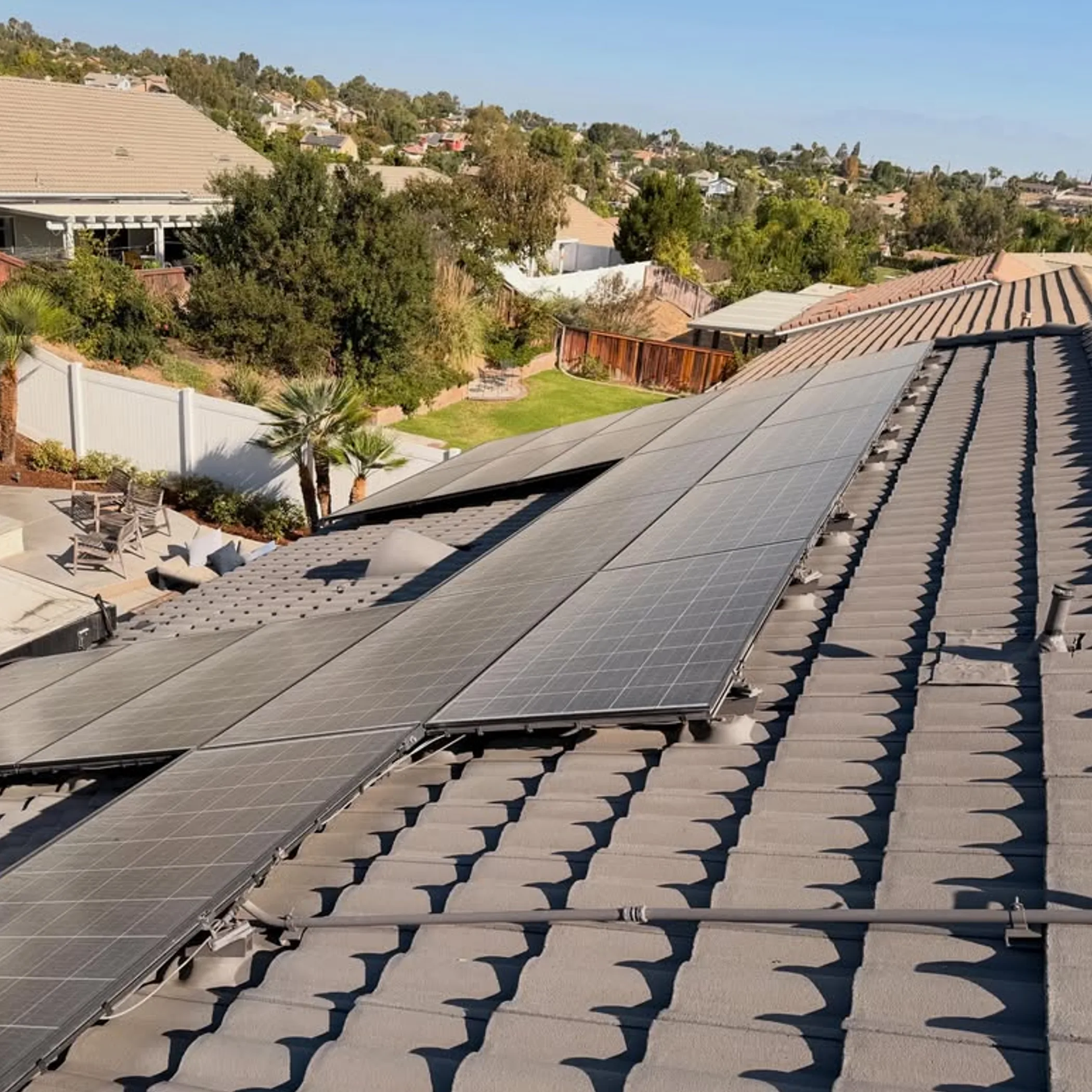
Maintenance of a solar system in Australia need not be complicated. Use your monitoring to pick up on any irregularities, clean as the locality demands and make regular inspections. Whether it is the humidity of the tropics or the dust of the inland, you will need to adapt your approach accordingly.
When in doubt begin with a review at six months. But if the panels are in a bushfire area, by a dusty road or under the trees, make the interval shorter. And for anything that is high up, rough or of an electrically dubious nature, let the professionals put in an appearance.