Seasonal Window Tips AU
There is a rule of thumb for any Australian homeowner looking for reliable seasonal window cleaning advice: if you can, do it in the shade and when the weather is mild. The likes of spring and autumn tend to be more accommodating, but put in an early start in summer and exercise some patience with the rain and limited daylight in winter.
I am Eleanor Maris, writer and ex-spa manager from Melbourne. Between house moves and a damp weekend in the Dandenong Ranges, I have put my hand to more window cleaning than I would like to say. What one learns is that the job is at the mercy of the season. A bit of heat will have your cleaner dry in no time; pollen seems determined to put down roots; and in winter a pane can go from clean to cloudy with moisture before you have had lunch.
The Right Time To Clean
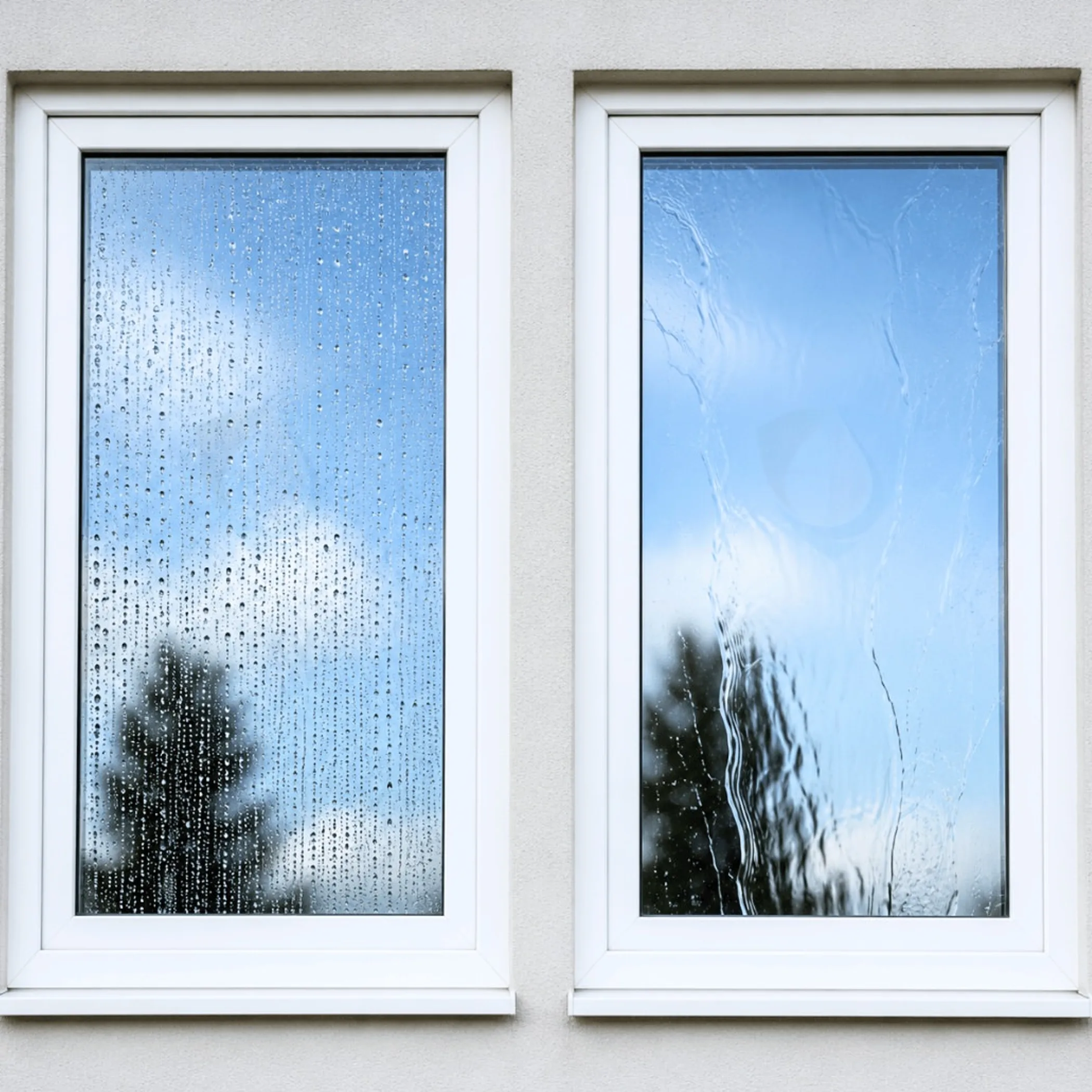
Forget the calendar and look at the local weather for the best results in Australia. An overcast day with not much wind is preferable, giving you the time to wash, squeegee and dry the glass while it is still wet. For product choices, see our squeegee material guide.
A proper clean should be done twice yearly in most houses, and more often after a storm or renovation, or where there is heavy coastal exposure. If the home is off a busy road or a gum-lined track, dust and salt will oblige you to put in the work every two or three months.
| Season | Best Conditions | Main Problems | Practical Approach |
|---|---|---|---|
| Spring | Cool morning or an overcast day | Pollen, cobwebs, winter grime | Do the frames then the glass |
| Summer | Shaded afternoon or first thing in the morning | Heat, fast drying and the sun | Less cleaner and small sections at a time |
| Autumn | Low wind and mild | Rain on the way, leaves and dust | Get the seals and tracks sorted |
| Winter | Calm and dry between the showers | Humidity and condensation | Be selective in what you clean, see the frames are properly dried |
Put it this way: ten panes of 2 by 1.2 metres (24 square metres) does not include the doors and odd bathroom windows, so a whole-house job can run to several hours if access is not easy.
Getting Rid Of Winter
In spring you are dealing with everything that has built up with the windows closed. In Melbourne or Brisbane the change from a damp morning to a warm afternoon can be trying. Wait for the outside to dry off from the night but do not let the heat of the day set the cleaner on the pane.
If you put water to dry pollen right away it becomes a yellow paste on the glass. Not harmful but enough to make one wonder why they are doing it. So take a vacuum or dry brush to the sill and frame first.
Follow with a window washer and warm water, only a touch of mild detergent. You want to be able to rinse it off without leaving a film that will just draw in more dust. Wash the frame prior to the pane and use a microfibre cloth on the corners. When the water is grey, change it.
Flyscreens And Frames
This is the time to have a good look at the flyscreens and rubber seals. Make sure the tracks are unobstructed for the next storm. Before you are up on a ladder check for anything loose or a cracked seal.
And do not put any force into a screen that is stuck, a bent frame is a costly repair. Take them out as per the fittings and if you have a number of similar ones label them, then put them back once they have dried.
Summer Glare

You will want to be done before the sun is on the glass. It will evaporate the water and cleaner faster than you can squeegee it, leaving you with unsightly arcs visible from within. In Perth and the inland the arid air makes matters worse. Brisbane’s humidity will not let a window dry in a hurry and has a way of putting moisture about the frames and tracks. Do not put in a midday effort to get every window done simply because the weekend timetable dictates it; be guided by what the local conditions are like.
Start Early And Work Small
Put some order on the task according to the shade. If the eastern windows have the morning sun on them, do those first and make your way round the house as other shaded spots open up. Should you find a pane is hot under your hand, wait on it or go to the side of the building that is out of the sun.
One section at a time is how to apply the solution. The surface should be left wet by a window washer, but not running down. Overlapping strokes with the squeegee will do, provided the rubber is wiped after every pass to take off the water before it can dry and leave its mark.
Have a second cloth on hand for the edges, a dry one. You may still see a thin line around the frame with the best of technique, on an old timber window for instance. Stick to a lint-free cloth; paper towel will drop fibres and make a confetti of what was a clean pane.
Protect Yourself In Hot Weather
Summer heat brings fatigue and dehydration and can cloud your judgement, so safety is of more consequence when cleaning windows. Make sure to put on gloves, drink plenty of water and break for it now and then. There is no good combination of a hot ladder and a hand gone slippery.
Do not put a ladder on anything from loose gravel to a wet lawn or an uneven sill. Three points of contact is the rule with a solid ladder fitted with non-slip feet, and do not put yourself at an angle to get at a corner. Leave upper-storey exterior glass to an extension pole or someone qualified, there is no need to make do with a balcony chair.
Prepare For Autumn Rain
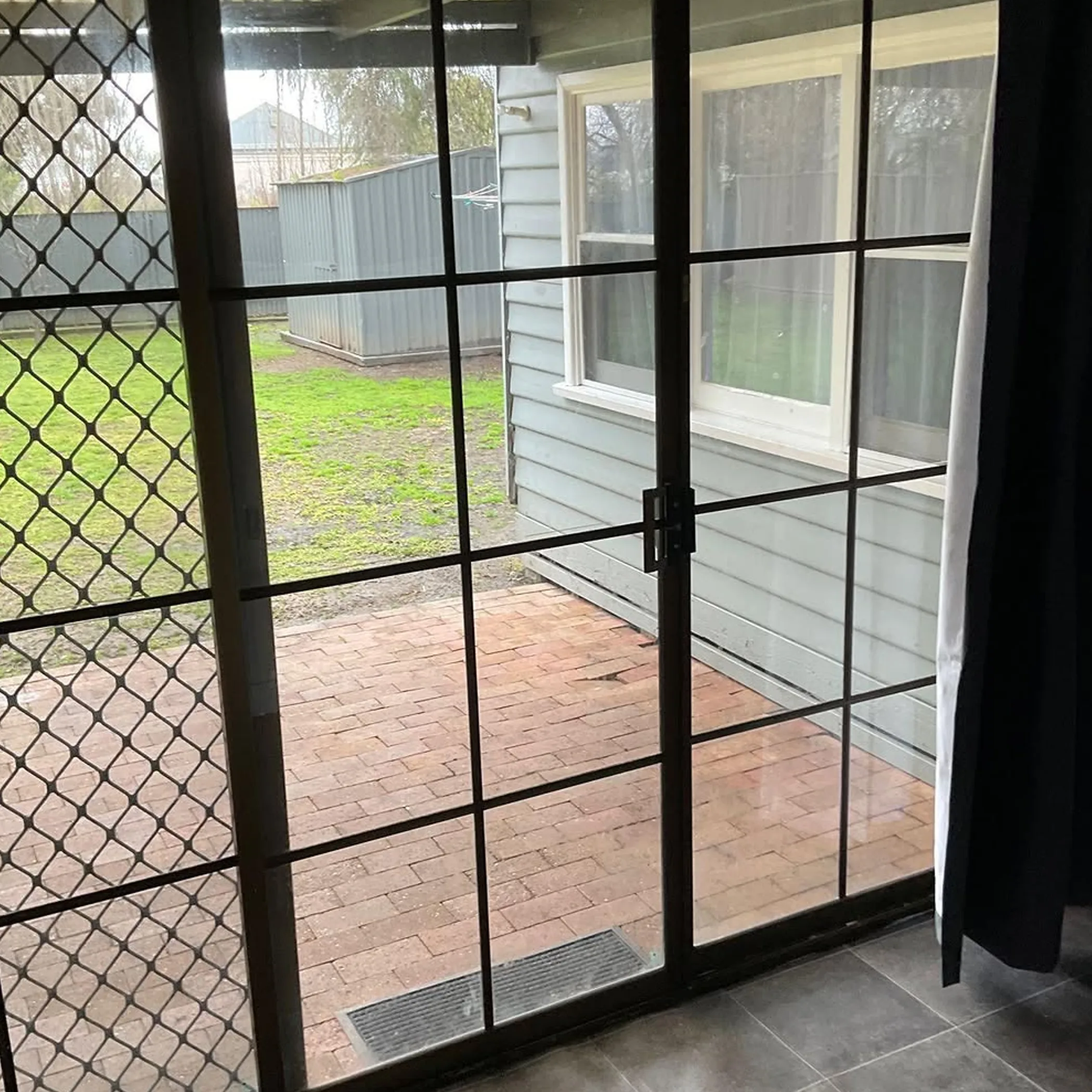
A bit of window cleaning in autumn is a good way to reset ahead of the wetter weather. The cooler of the season affords more time than the summer does, and one can clear the fine dust and leaves that impede the tracks.
It is also wise to have the glass done before the rain makes any oversight obvious. Water drying on the pane will run through the dust and minerals and show them up, which is where the dirt comes from, not the rain itself.
Clear Leaves And Fine Dust
Before you start washing, give the outside of the frame and sill a dry-brush. Corners under an opening window are where leaves will pool and remain damp, so clear them out with a vacuum or by hand, do not force them into the drainage.
If the property is on the coast, a rinse with fresh water to get the salt off is in order before applying any cleaner; otherwise you risk water spots and corrosion on metal fittings. Be gentle with painted frames and use a soft cloth, unless the manufacturer says you can scrub hard.
Inspect Before Wet Weather
See if any water is getting in at the top edge of the frame or around the locks and seals. A leak is not something cleaning will remedy and the constant wetting can be bad for plaster, paint and timber. Put a camera to any trouble spot for later comparison once it has rained.
Those in northern Australia will know autumn is close to the shift from the wet to the dry season. With cyclone alerts in the north between November and April, one would be unwise to be on a ladder for exterior work in the face of a storm or high winds. No window is worth an emergency room visit.
Work Safely Through Winter
Timing has to be flexible in winter. Shaded courtyards and south-facing rooms in a tree-lined home will see their frames stay damp for hours from condensation and the cold.
Let the drizzle pass. It will ruin your final rinse and wind will make a ladder hazardous while depositing dust on the glass. Give the tracks and frames all the time they need to dry in the humidity.
Manage Rain And Condensation
Inside, put a wipe to the condensation and put your mind to where it is coming from. Blocked vents or too much indoor moisture will cause it. Run the exhaust in the kitchen and bathroom and put the sills to dry; a short time with the window open is fine when you can.
Tackle a room and then put the windows back so the temperature does not fall. Moisture has a habit of gathering at the lower frame so use a dry cloth there. Cloudiness that lingers is likely a matter of the seal or condensation, not what is on the surface.
Choose A Dry Weather Window
Look at the forecast for the locality prior to any exterior plans. An overcast day will do but not one of unbroken rain. Pick a calm day that gives you time to put the finishing touches on the glass and tracks.
There are times in winter when one has to put safety before looks. Should the ground be treacherous or the roofline hard to get at, leave the exterior to a professional and see to the interior panes you can reach.
Adapting to the Local Climate
One size does not fit all in Australia; the country is too big for a single cleaning regimen. The glass in Perth, Melbourne, the Red Centre or the Top End will call for different treatment according to the dust, salt, shade and rainfall. Let your schedule be dictated by these factors.
For an idea of what to expect in terms of temperature and seasonal rain, the Bureau of Meteorology’s Australian climate data makes for good reading as you plan. Consider the forecast to be part of your kit rather than some optional paperwork.
Tropical And Humid Climates
Humidity in northern Western Australia, Darwin and Queensland will make frames damp and tenacious grime of it. In the wet season, wait for a dry spell to do any cleaning and steer clear of the ladder if thunder is about to break. Come the dry season and the exterior glass will be covered in dust in no time. Give it a rinse to remove loose grit before you put a cloth to it, otherwise you will scratch the pane. Mould-like marks may appear around the seals; check the product guidance before applying anything harsh to painted or rubber surfaces.
The South And Temperate Zones
Mild temperatures in Melbourne and elsewhere mean spring and autumn are conducive to window cleaning since there is no rush for the water to dry off. In the Dandenong Ranges and leafy suburbs the morning dew can be an annoyance so put it off until the glass is dry to the eye.
In cooler climes, attend to the inside of the windows as required and time your work on the outside to avoid wind and rain. If a passing shower puts a clean pane out of commission, do not take it personally. The weather in Australia has a way of laughing at you.
Where It Is Dry And Dusty
Dust and mineral water in the Pilbara, inland South Australia or Perth can leave their mark, necessitating more regular rinsing. Make sure to dry the edges after a final pass with clean water.
Should there have been bushfire smoke or a lot of dust in the vicinity, put on gloves and safety glasses to clear the frames. Do not go about dry-sweeping residue into the air; a light dampening and careful collection is better, and where ash is thick, heed local health and emergency advice.
Safe Use Of Tools

You need not resort to an overpriced bottle for a streakless finish, proper technique and clean equipment will do for most household glass. A bucket, window washer, two cloths, a solution and a squeegee with a good blade are sufficient.
The squeegee material guide will tell you why durability and flexibility in the blade are important when you are looking at new gear. But before you start with whatever model you have, give the rubber an once-over. A nicked blade is just going to drag the water into lines and cost you time.
A Basic Kit
- Window washer and a bucket of clean water
- Squeegee (flexible blade in order)
- Microfibre cloths that will not lint for the frames
- Gloves and safety glasses for the messier jobs
- Ladder with non-slip feet, to be put to use on firm ground only
Vinegar is no miracle worker but it can be of service in breaking down some mineral residue. Dilute it and try it in an unobtrusive spot first, keeping it from natural stone or anything that might react to acid. Under no circumstances mix it with bleach.
Some ammonia products are bad for tinted glass, films and the like; the label and the manufacturer will tell you. When in doubt a mild liquid cleaner and a good rinse is the way to go.
Dealing With Obdurate Marks
If you have paint or adhesive to contend with, apply a scraper at a shallow angle after softening it up. A razor blade is liable to put a scratch in the glass if there is grit under it or the pane is coated; they are not for plastic glazing or unknown surfaces.
The mistake is to think force is the answer when in fact the water is dirty. Put in more effort and you will only be spreading grit and making fine scratches. Change the water, wash the blade and go over it again.
A Practical Cleaning Routine
Stick to a routine and the job will be done in less time; it is also a good way to spot damage before the bill for it gets out of hand. Work your way down from the top, put wet and dry cloths in separate places and do not be tempted to put on your socks and traipse over a floor you have just mopped, unless you are in the mood for some slapstick. Make sure there is ample drying time by picking a calm, shaded time of day.
- Choose a calm, shaded period with enough drying time.
- Remove screens and dry-brush frames, sills and tracks.
- Wash the frames before wetting the glass.
- Apply a small amount of diluted cleaner to one section.
- Use overlapping squeegee strokes and wipe the blade between passes.
- Dry edges, inspect from different angles and clean remaining marks.
- Rinse and dry equipment before storing it.
Time it right and 90 minutes to three hours should suffice for a single-storey home of modest proportions, though one has to factor in how many panes and screens there are. A large property with multi-level access or glass that has been let go will occupy most of the day. Do not think of it as a quick Saturday chore if the outside windows have not seen a clean in years; several passes and perhaps some professional gear will be called for.
When To Get Some Help
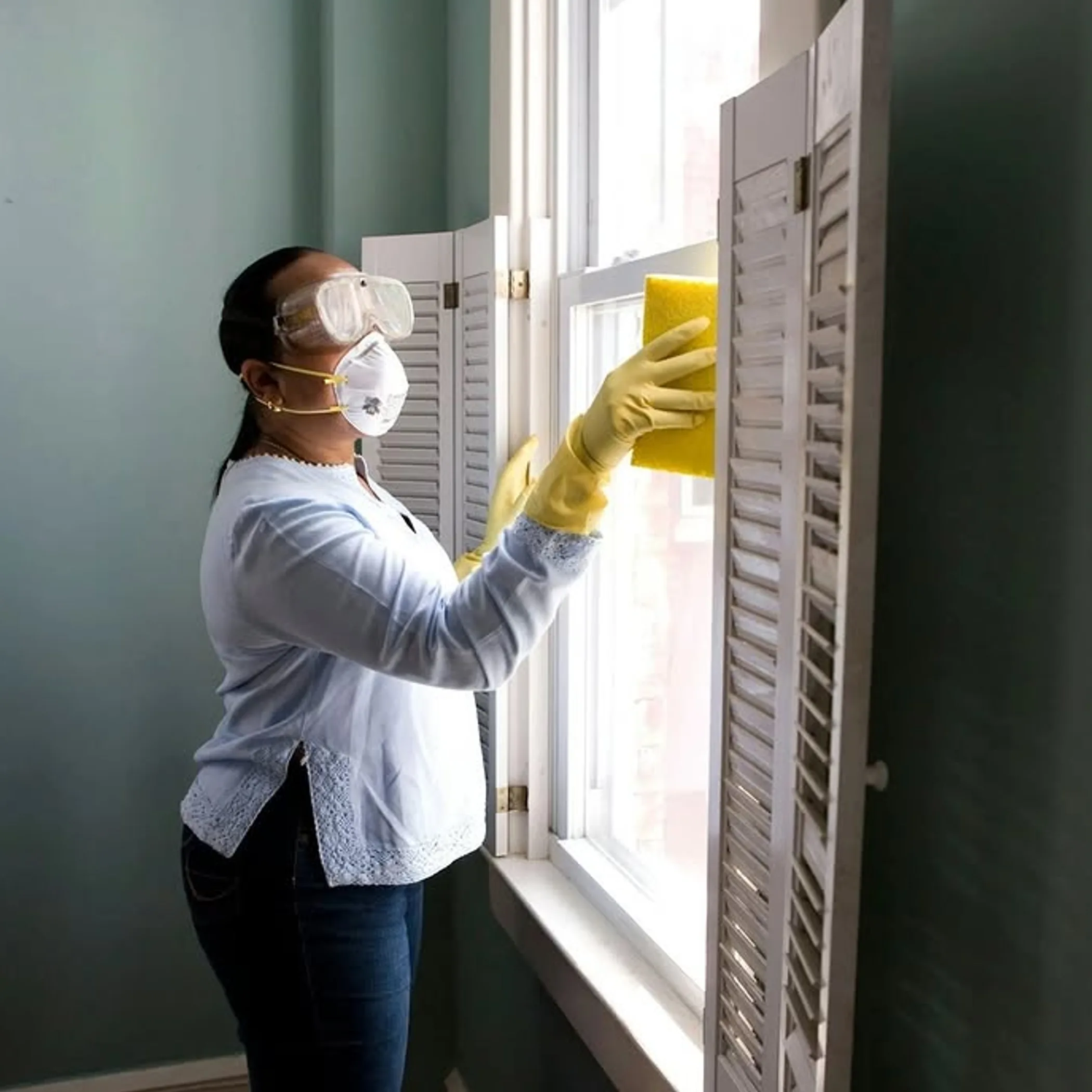
For ground-level work and where access is stable, DIY is fine for the able bodied. But if ladders make one feel unsteady, or mobility is an issue, or there are high winds about, it is not something to attempt. The same goes for a roof, skylight or upper façade.
If you have fragile glass, extensive residue from construction or reason to suspect damage, put in for a professional. Inquire as to their insurance and what the service entails: does the quote cover the frames and water spots? A cheap rate can lose its appeal when you find the “window clean” was limited to the middle of the pane.
FAQs
I put forward some short answers here to the questions I am asked most, to dispel the odd misconception and put you in mind of the effort and timing required for your home.
How to get streak free results in Australia
Squeegee a small part at a time in the shade with clean water and little detergent. Dry the edges with a lint-free cloth and the blade after every stroke. Should streaks appear, look to excess cleaner or dirty tools rather than a want of scrubbing.
What are the usual errors?
Wiping a dusty pane without a rinse, using too much detergent, cleaning glass that is hot in the sun, and neglecting the frames. One also sees people putting themselves at risk on ladders. Safety must always take precedence over speed.
Dealing with outside windows long uncleaned
Start by getting rid of cobwebs and loose dirt and give the glass a rinse. Do not be aggressive with razor blades or abrasive pads on a film or coating you are not familiar with; work in small areas and plan on more than one wash. For anything high up or delicate, leave it to the pros.
Vinegar or commercial products?
One is no better than the other per se. Vinegar can deal with mineral deposits but a made-for-purpose cleaner is easier for the everyday dust and fingerprints. Do not mix chemicals and test first.
Frequency of cleaning
Twice a year is enough for most, spring and autumn being the times. If you are in a smoky, coastal or busy area, then every two or three months. Or sooner if the view is impaired or the tracks are full of water.
Clear Glass All Year Round
The best advice for Australian households is simple: be serious about ladder work, adapt to the climate and have the frames done before the glass. Winter calls for a dry spell, summer is best tackled early and the other seasons are easy going.
I prefer to do a proper job on a few panes than to rush the house. Clear glass is nice but so is having your equipment ready for the next occasion and knowing the access was safe. Be realistic about the routine and the windows will remain bright without making a battle of it.