There is a simple rule to follow when you are at the outset of planning a 2026 itinerary from Melbourne to Adelaide: for a drive you will not forget, make it the coastal way and put aside a minimum of five days. One could be quicker, but in the end you are only trading time on the clifftops or in a good small town with a flat white for more hours in the car if you rush things.
I am Eleanor Maris and my counsel to those deciding between a proper journey and a quick dash is plain: go the Great Ocean Road for the scenery, the inland for speed. You can do the coast in three days but only if long stretches behind the wheel and hurried stops are to your liking. Most will find a 5 day plan is the sweet spot, allowing for an evening in Apollo Bay or Port Campbell, Warrnambool or Port Fairy, Mount Gambier and perhaps Robe or McLaren Vale, enjoying scenic country stops between the cities before you make it to Adelaide.
A Snapshot Of The Trip
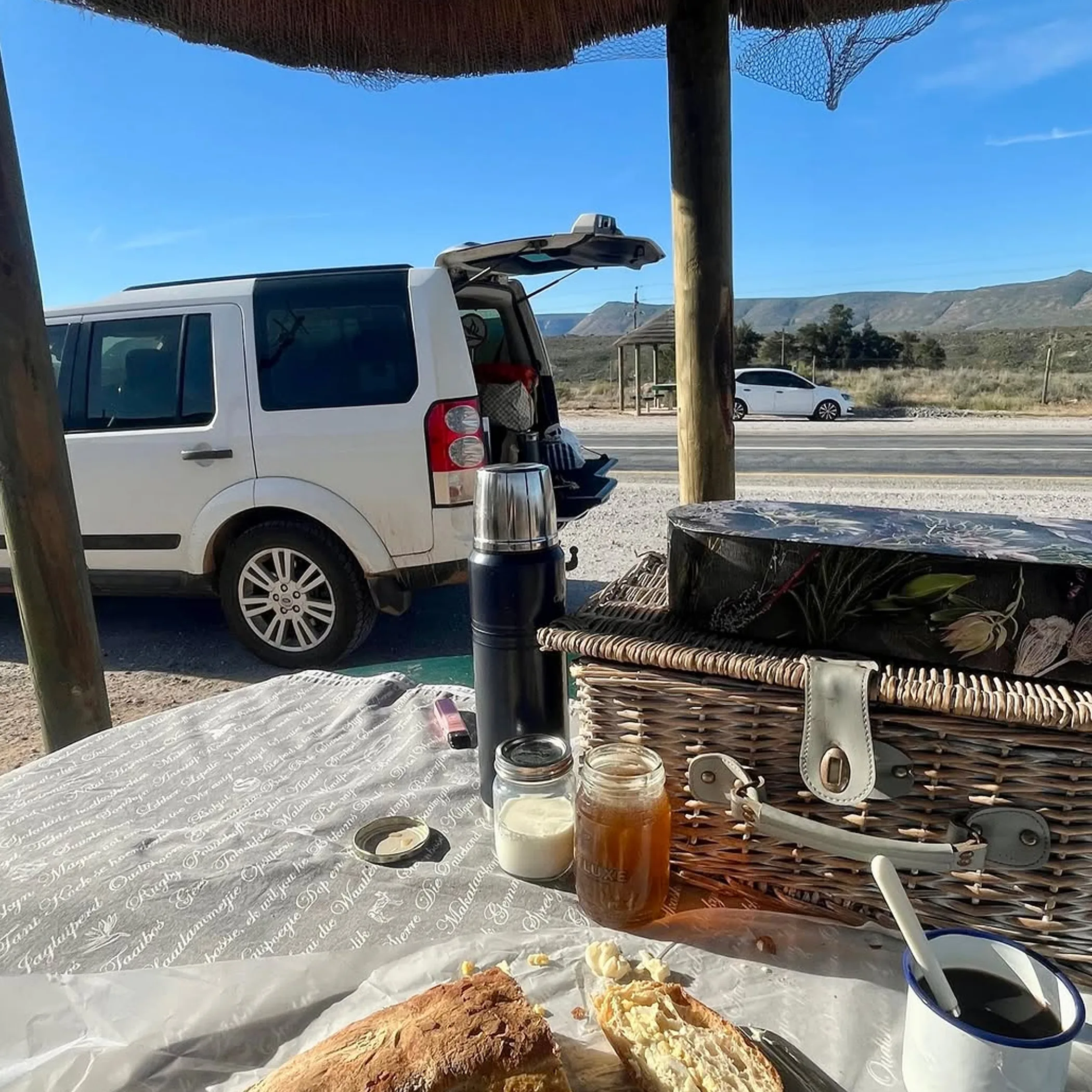
On paper the drive is uncomplicated, until you have accounted for the lookouts, the bakeries, slow moving tourist traffic and the compulsion to stop every ten minutes by the cliffs. Some may be caught out by it, but that is what makes it enjoyable.
You will see the inland run from Melbourne to Adelaide put at around eight hours for 728 km; true enough for a direct route under good conditions with few interruptions. But a trip via the Great Ocean Road is of an altogether different order of distance and time, one to be considered a multi-day affair and not merely a means of transport with the odd scenic pause.
| Route | Approximate Distance | Realistic Driving Time | Best For |
| Princes Highway Inland | 728 km | 8-9 hours | Confident drivers wanting a fast transfer and little leave |
| Great Ocean Road Coastal | 1,050-1,150 km or so with detours | 13-16+ hours over a number of days | Photographers, first-timers and the like |
| Coast With Kangaroo Island Detour | Varies | Allow 2 or 3 additional days | Those with longer holidays and an affinity for wildlife |
Some Useful Facts
It would be well to know what kind of trip you are putting together before you book. A full Great Ocean Road schedule and a fast cross-border drive are two different animals; equate them and you will be knackered come the second day.
Autumn and spring tend to be preferable, milder and without the chaos of the summer holiday season. Summer has its daylight but also the traffic, the cost of accommodation and the prospect of bushfire; winter is moody and fine on the coast but you must be more organised given the wind and rain and lack of light.
For any current warnings I would have you consult the Bureau of Meteorology each morning and prior to setting off. Google Maps does not always factor in how much heavy rain or poor visibility on an exposed part of the coast can hold you up.
When to Make the Trip
Were I to set this up for a friend I would recommend the months of March through May or September to November. The driving is more stable, you will not have to fight for parking at the Twelve Apostles and the lookouts are not as crowded as they are at 11.00 in the summer.
One can still have a good time in winter with the dramatic seas and towns to yourself, but the sun goes down earlier so time your arrival in regional areas accordingly. There is enough wildlife about on the road to be a concern, in the forests and on the quieter inland and farmland edges.
Choosing Your Route
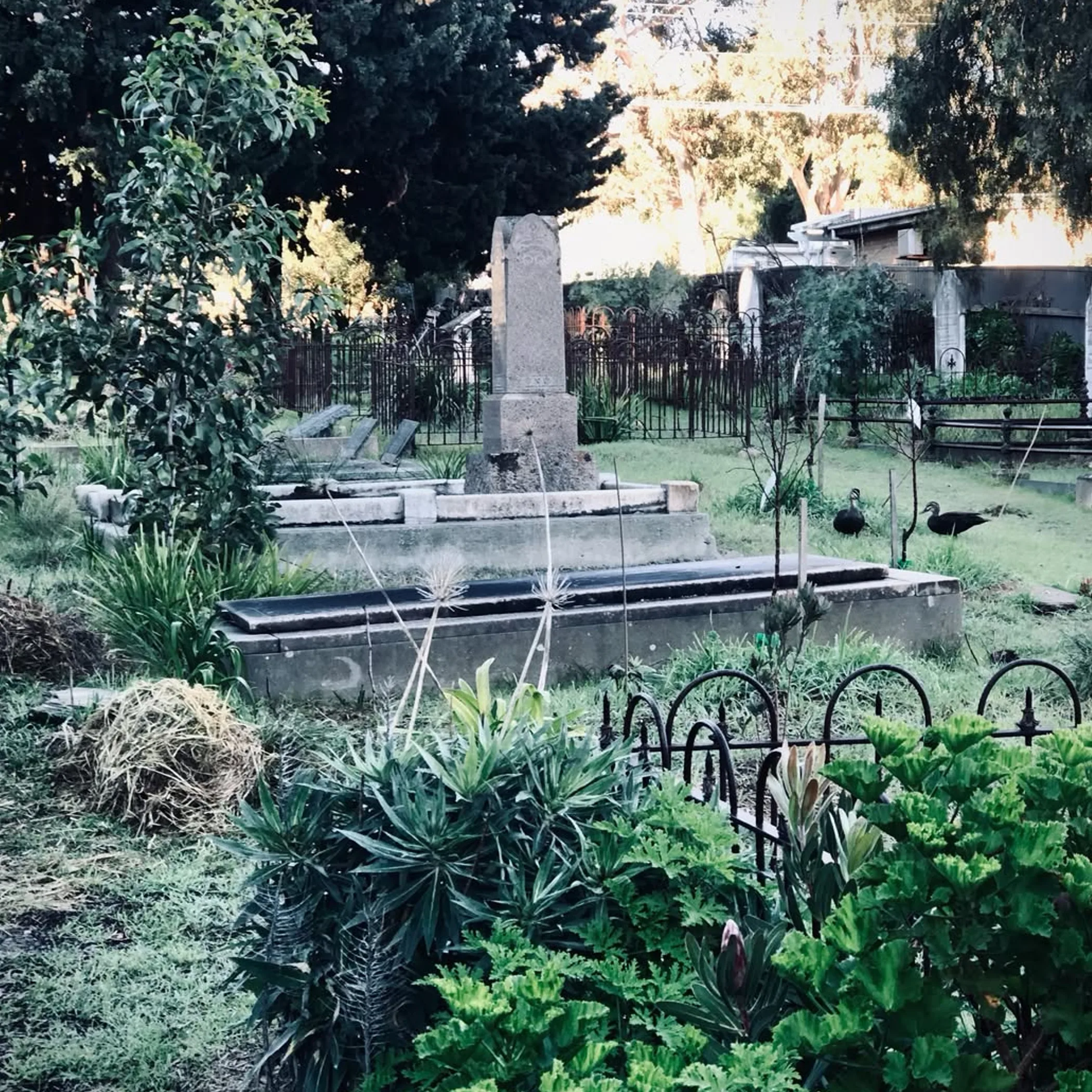
What works for one is not necessarily best for another, it comes down to your energy and how you feel about a long day of it. If you are making the one big run between the capitals I for one would put in for the coast; the inland is efficient but the coast is what you recall.
Then again there are those who would be wise to do a bit of both: west on the Great Ocean Road and then a more direct line into Adelaide from Coonawarra or Mount Gambier. The appeal of the ocean is there in spades but you are not put to a marathon of stops, photos and being late for it.
Pros of the Coastal Route
From Melbourne to Adelaide the coastal route one passes through Torquay, Lorne, Apollo Bay, Port Campbell, Warrnambool and Port Fairy prior to entering South Australia. It is a route that has its share of scenic country stops between the cities, sea stacks, rainforest walks and old fishing towns; in short it makes the trip seem human and not merely an exercise in logistics. There are ocean lookouts and good drives to be had.
Do not be like most and think you can “just stop briefly” on the Great Ocean Road. You cannot. One minute you are at a beach pull-off or a winding part of the road, the next you have been held up by a lunch stop or waiting at some landmark and the day is gone.
Inland Route Pros
Then there is the Princes Highway. For those whose objective is to put Adelaide behind them in a practical fashion, it is faster and flatter. A family with time to spare, someone in the process of relocating or a traveller more inclined to use his holiday in Adelaide and South Australia will find it to their liking.
Make sure to put in a break or two if you go this way. Horsham is off the usual direct line from Melbourne via the coast, but the towns in western Victoria and along the inland highway corridor are sensible places to rest when you are dividing the run.
On Trip Length
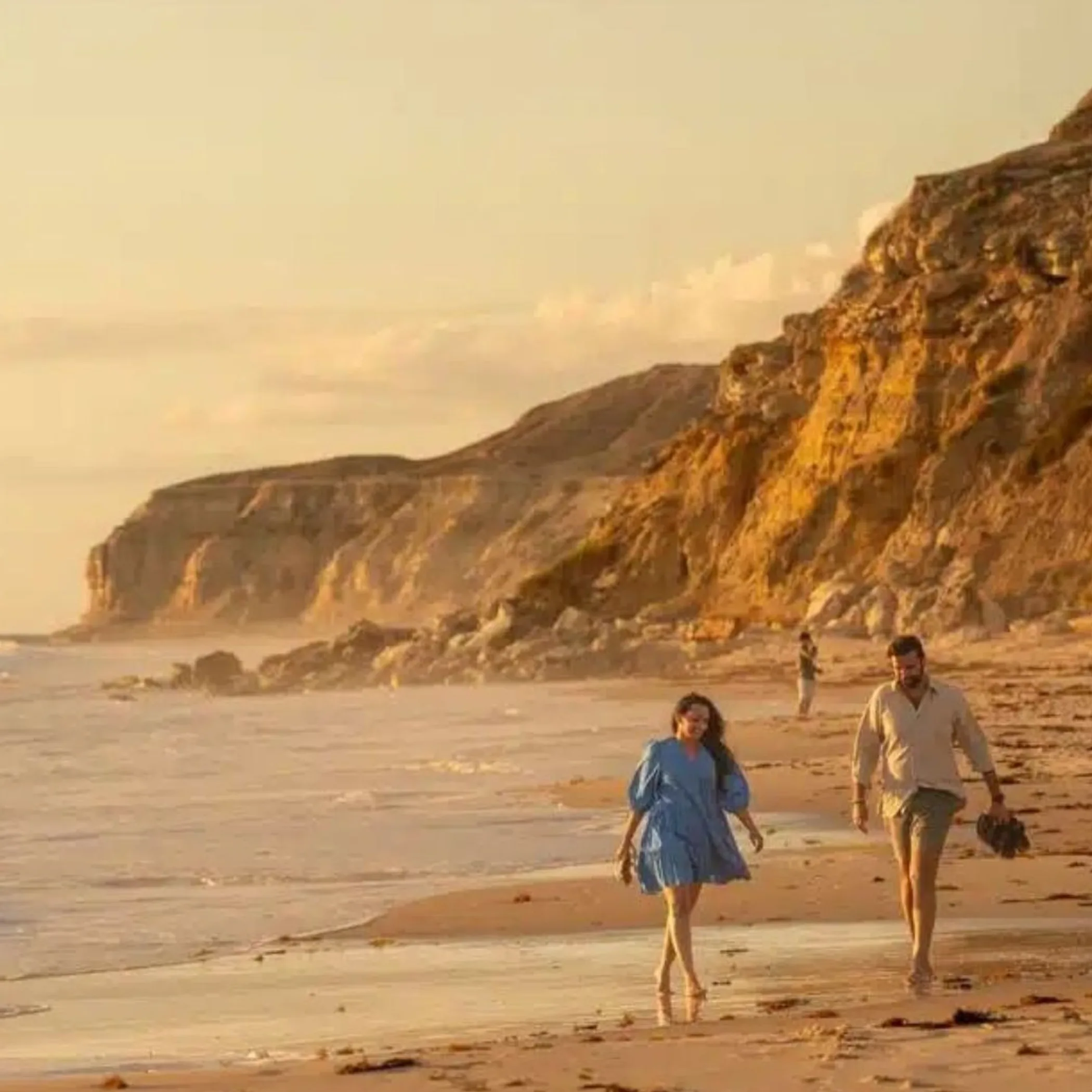
How you feel after a few hours at the wheel has more to do with the right itinerary than any ambition. I have put in my miles on Australian roads and can tell you “we will just put in another two hours” is typically uttered moments before the whole party turns hungry and a bit feral.
Five days is comfortable for most, three is doable and seven to ten allows the route to open up. The longer you are on the road the more leeway you have for the weather, something to consider in wine regions where you may not want to be driving post-tastings or out on an exposed coast.
Three-Day Option
Discipline is called for to make a 2026 road trip from Melbourne to Adelaide in three days. Day one takes you to Apollo Bay or Port Campbell. On day two you go from Port Campbell to Mount Gambier via Warrnambool and Port Fairy. Day three sees you in Adelaide by way of Coonawarra and McLaren Vale.
It is the way to do a 3-day run if you want to see the Twelve Apostles and the Great Ocean Road without it all becoming a blur. The trade off is early starts and less in the way of long lunches or strolls.
Five-Day Sweet Spot
For a first timer the 5 day plan is the best of both worlds. You have room to take in the wineries of Coonawarra and McLaren Vale, the Blue Lake at Mount Gambier, Umpherston Sinkhole, Port Fairy, the Twelve Apostles, Lorne and Apollo Bay and not be half-cooked when you get there.
Were you to copy an itinerary let it be this one. The drives are kept to a size you can handle and there is time for coffee and the occasional need to say “hang on, we will pull over”.
Seven To Ten Days
A slower pace, regional food, cellar doors and walking trails are what you are after with this version. Those who would add Victor Harbor, a Kangaroo Island excursion or more of the Limestone Coast will also be suited to it.
Some maps would have you believe Kangaroo Island is a casual side trip, it is not. Once you have allowed for the ferry, check-in and driving, as well as giving the island the attention it warrants beyond a quick lap, put down at least two extra days.
Coastal Plan: Day-By-Day
Here is the substance of the guide, a five-day run with overnight stops and breathing room that is realistic. No fantasy timings predicated on an empty bladder and teleportation.
We are factoring in average traffic and normal weather for the timings below. In the school holidays or on a summer weekend you will want to allow for it around the major lookouts, Lorne and Torquay.
Day One: Melbourne To Apollo Bay
An early start from Melbourne and you are through Geelong to Torquay, where the Great Ocean Road properly begins. Anglesea and Lorne are best done at your own pace; the going is slow and gorgeous, with its bends and the odd cyclist or bus and people who will halt on a whim at the sight of water.
Apollo Bay is a fine place to break for the night, the accommodation on the Great Ocean Road is well spread out and it is a good division of the coast. Figure on 5 or 6 hours elapsed time if you have left central Melbourne at 8.00 am and made a proper stop in Lorne, forget what the map tells you.
Day Two: Apollo Bay To Port Fairy
The big icon day is today. Make your way through the Great Otway to Port Campbell and put in some time at the Twelve Apostles, Loch Ard Gorge and the like. Do not be surprised if the Twelve Apostles part of the plan runs over; between the crowds, the walk and finding a spot to park, one can easily lose a few minutes.
Afterwards head via Warrnambool and make for Port Fairy to put up for the night. It is a fine place to rest one’s head with its stately old buildings and an unhurried centre, a welcome change of pace from the stop-start nature of the sightseeing.
Day Three: On to Mount Gambier from Port Fairy
A shorter day and all the better for it. Put South Australia behind you and use the afternoon for a circuit of Mount Gambier, Umpherston Sinkhole and Blue Lake.
As for the Blue Lake, do not go with the notion that it will be as vivid in person as the photos one has seen on the internet; light and the season have their effect on how it appears. Be curious about it rather than chasing a brochure version of reality.
Day Four: McLaren Vale from Mount Gambier
A drive north-west takes you through Coonawarra, perhaps the most rewarding food and wine country on the itinerary. The change in landscape is something to see even without being much of a wine drinker. Should you decide to sample some, put down a designated driver or put up locally instead of leaving it to chance.
Make your way to the McLaren Vale region for the evening. A good move before Adelaide as it makes the morning after a simple run.
Day Five: Adelaide from McLaren Vale
There is no point making the last leg anything but short. After a leisurely breakfast and a bit of a stroll, the drive in is straightforward. Victor Harbor is an option for a detour if you have the time and are not already running to schedule.
Then again, this is a day to have some slack in case you were put back by roadworks or a lunch that was too enjoyable. One does not want to be overly optimistic on an Australian road trip.
Detours That Are Worthwhile

One should not expend fuel and faff on just any side trip, but these are generally worth the while if the days are not over packed. They put a different texture on the driving, be it island wildlife, a limestone coast or a cellar door.
Twelve Apostles / Port Campbell
Popular they may be and you will have company on the boardwalk, but do not put them aside on a first outing. An early or late hour will see you to softer light and parking is less of an issue.
Coonawarra / McLaren Vale
For a more sedate finish to the trip with an emphasis on food and wine they are hard to beat. In the busy times book in advance and do not try to fit in a lot of tastings when there is still a fair bit of driving to do.
Kangaroo Island
Leave this to those with seven to ten days to spare. With the ferries and the driving involved, proper planning is needed to get the most out of it and not simply check it off the list.
Towns To Stay In
Your overnight stop will determine the quality of the trip more than is often thought. A well chosen one can make a hard day of driving manageable. Apollo Bay, Port Campbell, Warrnambool, Port Fairy, Mount Gambier and McLaren Vale are the sensible options for the coastal route. For a coast-plus-Limestone-Coast kind of run, Mount Gambier is the obvious halfway mark between Melbourne and Adelaide; Warrnambool if the split is more towards Victoria.
Budget: motels, caravan parks, a room in a pub; in the order of AUD 120-220 for two in many towns, more so in peak times.
Mid-range: an apartment or boutique motel; say AUD 220-380 per night.
Peak season warning: expect a premium and little in the way of last minute openings in summer or during school holidays.
Do Not Underestimate The Route
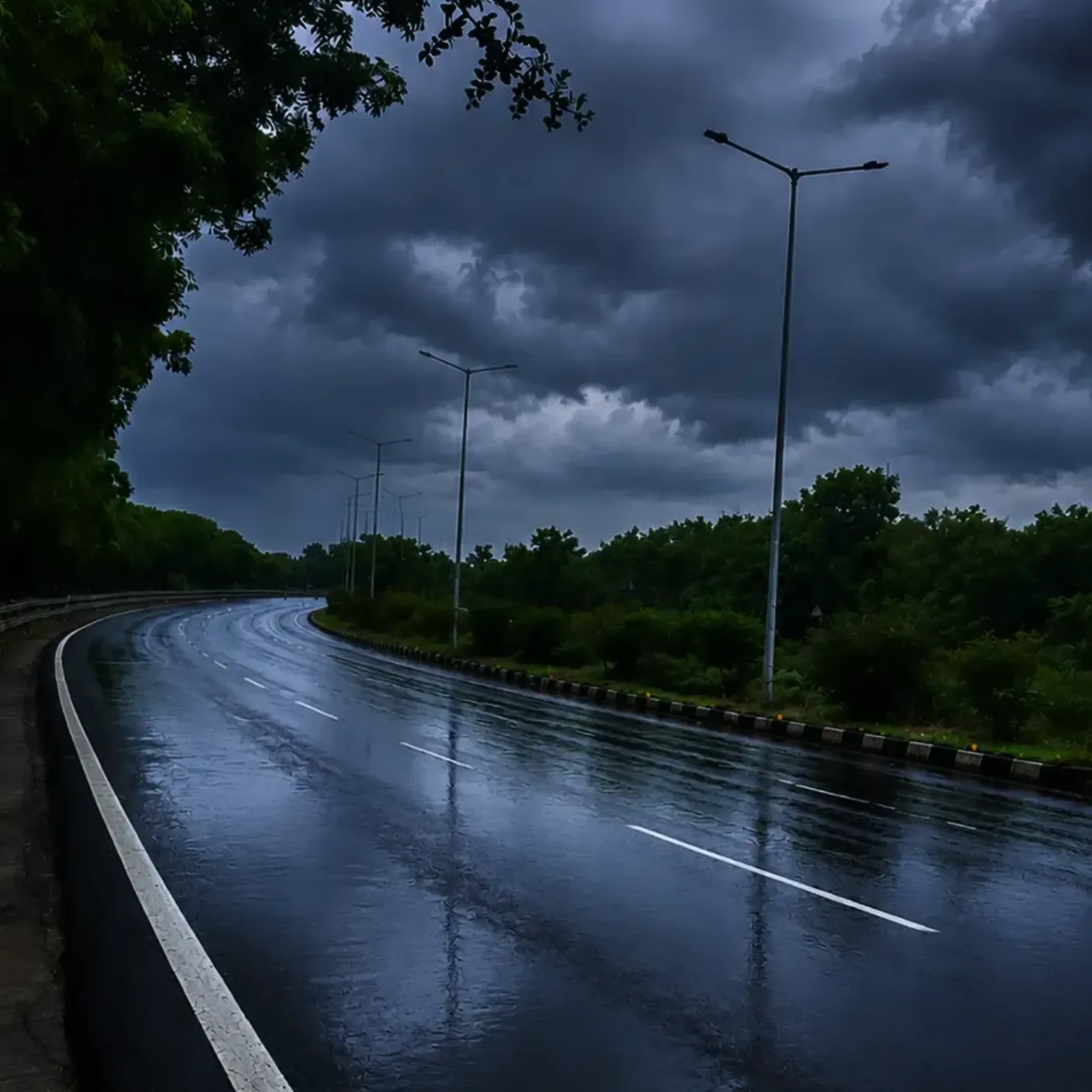
The sealed roads and unremarkable towns can lull you into thinking otherwise. Trouble comes from fatigue, wildlife or miscalculation of the hours, not some outback drama. There is much to be said for the RACV’s counsel in this part of the world: put some daylight between you and your destination, have a co-driver if possible, refuel in good time and do not put your trust in a small town servo being up and running late. And on the less travelled sections at either end of the day, wildlife will be a concern.
What Catches People Out
One is the folly of wanting to put in long miles and still make time for an abundance of “quick” stops. Another is putting in an appearance after dark in some regional backwater where roos are out in force and you feel the fatigue all the more. Then there is the notion that a café or cellar door will adhere to city hours; they will not.
Hire a car and you would be wise to put pen to paper only after ascertaining the one-way drop-off charges, what is covered on the windscreen and tyres and your kilometre limit. With a campervan you should be under no illusions as to how you will fare with parking and the coastal winds.
Budget, Packing And Logistics
A realistic budget is called for if not a lavish one. The pretence of living off pure determination and muesli bars does not last once the cost of fuel, food and a bed come due. For a pair in an ordinary car over five days, a self-drive plan might run from AUD 1,200 to as much as AUD 2,500 in all. That is a guide for planning purposes, not a hard and fast figure, as prices and accommodation will vary with the season and the town.
Layers for the coast: where the weather has a mind of its own even in the warmer months.
Water and provisions: for when meals are put off or the road goes on.
A phone charger and mount: it is elementary but often overlooked.
Maps on the device: since reception is not to be counted on everywhere.
And some leeway in the budget: for a tasting or two and parking fees, those sorts of things add up.
If a single day is all you have: head to Apollo Bay or Port Campbell and back. Do not labour under the delusion that Adelaide is a feasible same-day excursion from Melbourne.
Common Questions Answered
Travellers on this route tend to ask the same questions, in an effort to decide if their plans are sensible or just optimistic. One can understand that, the margin is fine on a road trip.
Where Should I Stop Between Melbourne And Adelaide?
To have the best of both worlds, scenery and convenience, Apollo Bay or Port Campbell first, then Port Fairy or Warrnambool, Mount Gambier and, time permitting, McLaren Vale. These are the way to go for a coastal itinerary.
Where To Stay Halfway?
Mount Gambier makes a sensible overnight halfway mark on the scenic side of things once the Great Ocean Road is factored in. A highway town in western Victoria may be more to your liking for an inland run, it depends on your pace and where you set off from.
How Long Is The Drive?
The full coastal run is 13 to 16 hours of driving at the very least, normally done in three to five days. Five days is what most would put aside for a proper outing with sightseeing and so on.
Recommended 3-Day Route?
Melbourne to Apollo Bay/Port Campbell, through to Mount Gambier by way of Warrnambool and Port Fairy and into Adelaide via Coonawarra and McLaren Vale is about as workable as it gets. It is a bit of a rush but you do not miss the well known sights.
Is The Great Ocean Road Better Than The Inland Highway?
For an experience it is. For speed it is not. You take the Great Ocean Road for the lookouts and the towns, the inland highway is for a no-nonsense arrival.
Eleanor Maris’ Final Word

Do not look for a single place to stop between Melbourne and Adelaide, look for a rhythm: the coast and cliffs, a country town of some repute, a limestone oddity, wine country and then the city. That is the trick.
I would say give it the five days you can. Let the 2026 edition of the trip from Melbourne to Adelaide be what it should be rather than something to be vanquished. There are sea air and regional bakeries and the kind of country stops that are not on the front of the brochure but are what you will be thinking of afterwards.