There are only three considerations when it comes to planning a Kakadu excursion from Darwin: choose your season, have some sense about the distances involved and make up your mind on a self-drive or a tour before you go. For those in a hurry for the short version, here is what most should do: put aside two or three days minimum, head out in the Dry (May through October), get a park pass ahead of time and chart a course via Ubirr, Nourlangie, Cooinda and Maguk / Motor Car Falls, or the larger 4WD waterfalls if you can.
Eleanor Maris here. The Top End has a way of lulling you into underestimating it. On paper the run from Darwin to Kakadu seems no trouble at all; in practice you are looking at early rising, long hot halts and spotty reception, and distances that make of “we’ll just pop over” a day’s work. Do your planning and it is as good a trip as any from Darwin.
Make A Plan That Works
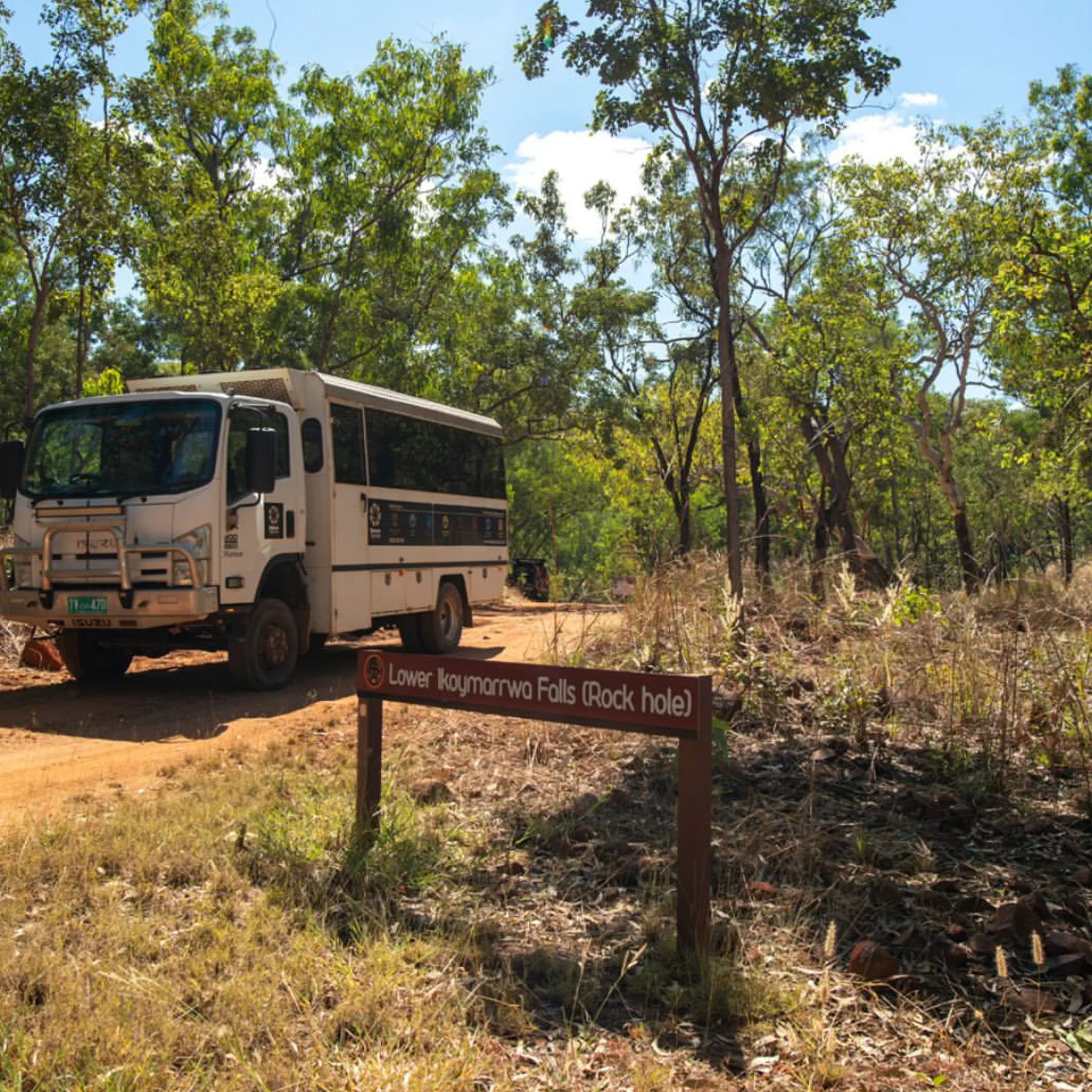
The trick with Kakadu is to have a route commensurate with your budget and how much driving you will put up with. Consider exploring the top Kakadu tours on any budget. Too many try to pack in more than they can handle and end up behind a windscreen for half the day when they could be standing before some old rock art or in a billabong while the birds skim by.
So forget “what must I see?” and ask yourself how much time is on hand. The answer will tell you if a full self-drive loop is feasible or if a one-day tour from Darwin is the sensible call.
Who Should Go
This is a place for road trippers, photographers, birders and families with older children who want to experience the scale of the landscape and Aboriginal culture without fuss. It is not for anyone with an aversion to heat or long drives, or who thinks a lookout ought to be ten paces from where you parked. Some of it is easy enough to get to, other parts are as rough as they come.
When To Go
For the most part the Dry season of May to October is preferable. Humidity is down, the main sites are open and a 2WD will see you from Darwin to Kakadu without issue. The wet season is its own thing: the floodplains are full, waterfalls are in full voice and there is a certain vitality to the place. But you have to put up with the odd closure and be properly croc and weather conscious.
What You Will Find
First-timers are better off in the Dry months of May to October. Arnhem Highway conditions will be sounder, you can count on getting to Ubirr and Nourlangie and the accommodation and tours operate with more regularity. An early dry right after the roads are back open is something else; the country is greener, the waterfalls have more of a punch. By late dry the driving is easier but you will contend with dust and less interesting swimming.
Wet season is another matter. A track or crossing may be shut with nothing more than a notice to show for it. And it is not only rain in Kakadu but the rest of the Top End that can catch you unawares. Before you depart Darwin, and en route, look up the Parks Australia access and safety info for the park.
Reality Check
You might think you can put in every well known waterfall at any time of year, but with Jim Jim or Twin Falls and the like that is not so. Or assume the dry is cool; in fact the sun is strong and there are mozzies aplenty at the water’s edge come dusk.
Getting There
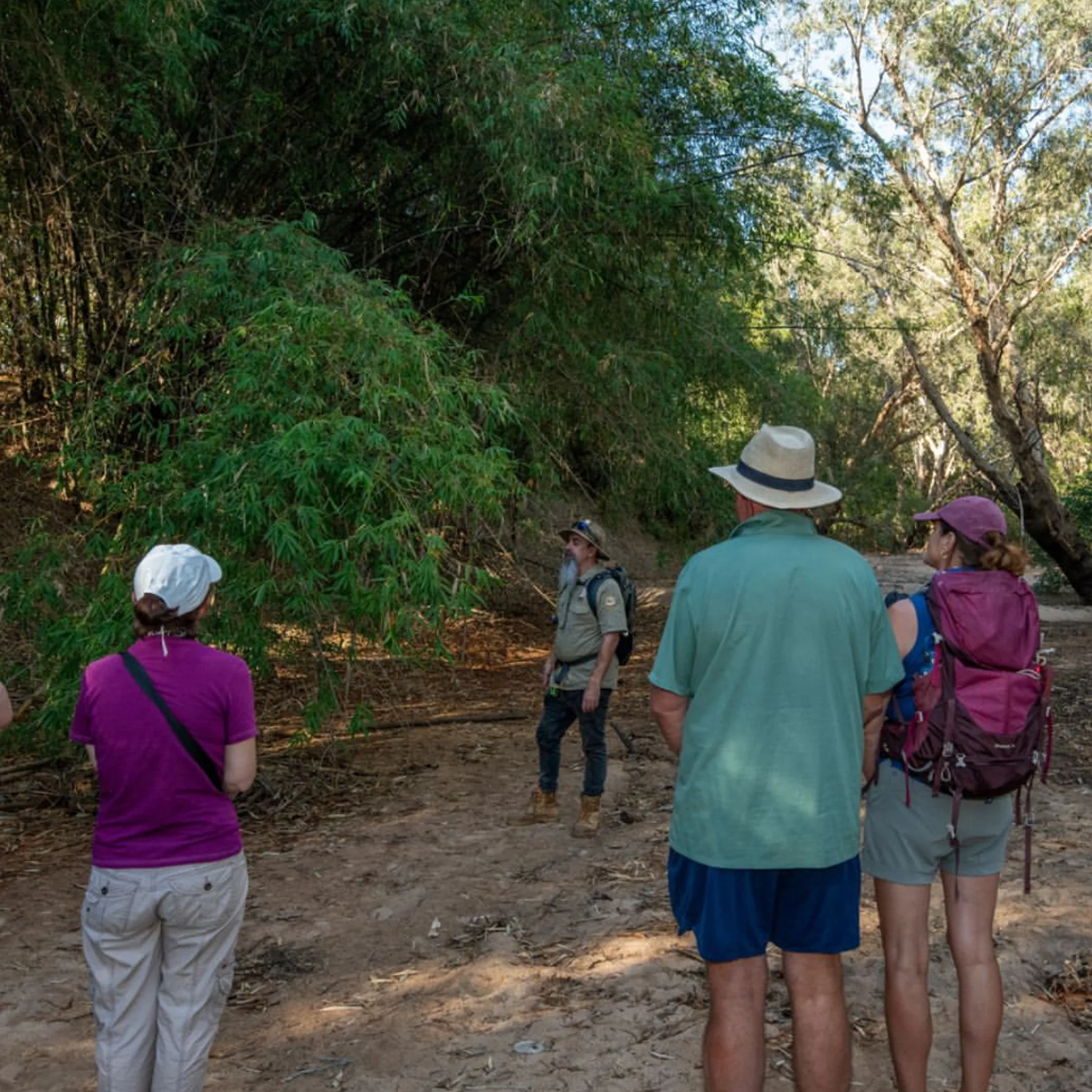
Aside from the pricier fly-in option, you can either drive or take a guided tour from Darwin. Which is best is a question of energy rather than cost. Self-drive is the way to go for flexibility. If the prospect of six hours or more at the wheel in a day does not appeal, then book a tour, it is worth it.
A Self-Drive from Darwin
To get to Kakadu you will be on the Arnhem Highway. How far it is from Darwin is a matter of where in the park you are bound for; given the size of Kakadu, a trip to Ubirr or Cooinda is not on a par with one to the southern boundary.
Plan on three hours in good weather to make it from Darwin to the park’s edge and some four hours to Jabiru as a rule of thumb. Make that longer if you are going to Cooinda or have proper stops in mind. Then put in time for roadworks, to put fuel in the tank, for the odd photo op or because the wildlife has put on the brakes and your day will have lengthened considerably.
Guided Tours
There is merit in the day or multi-day tours put on from Darwin when you would rather have someone else worry about the logistics and can do with local commentary and transport. You will find Top End itineraries from the likes of Wildlife Tours Australia and Kakadu Tours and Travel, but then again the inclusions and pace are not uniform.
For a single day there is no simpler way than a 1 day tour from Darwin, even if it is a big one. Expect pre-dawn departures and long hours behind the wheel for a highlights tour of Kakadu, not something to be done at a leisurely pace. When you are weighing up the top Kakadu tours available at any price point, see what is covered by way of park entry, cruises and meals.
Flights And Transfers
The ordinary traveller does not tend to fly in. While it has its place on an expensive excursion or when time is of the essence, the sensible course is to drive or take a tour out of Darwin.
Route And Logistics
Poor planning is punished in Kakadu and this is the difference between a smooth outing and a muddle. The distances are nothing to write home about by Territory standards, yet they are enough to try you.
One thing people are apt to forget is that the driving does not cease at the park gate. There are still sites to cover like Nourlangie, Bowali Visitor Centre, Cooinda and the rest.
| Section | Approximate Drive Time | Road Type | What To Expect |
| Darwin to Kakadu boundary | 3 hours or so | Sealed (Arnhem Highway) | An easy run unless you factor in roadworks and the like |
| Darwin to Jabiru | In the region of 4 hours | Sealed | Where you will find most services and fuel |
| Jabiru to Ubirr | 40 minutes | For the most part sealed | Plan for sunset, be mindful of the time back |
| Jabiru to Cooinda | 1 hour | Sealed | Access to the Yellow Water area and for a cruise |
| Main sealed attractions loop | A full day at least | Sealed with side roads | Not to be rushed in one day, more like two or three |
Fuel, Food And Coverage
Much of your planning will centre on Jabiru for accommodation and fuel, being a principal service point in the park. Cooinda has its share of services and rooms but in the dry season they book up, so do not leave things to chance unless you fancy a night in the car.
Once you are about the park phone reception becomes patchy. Take maps with you from Darwin and more water than seems necessary. If you come across a servo with less than half a tank, top up. It is boring until it is not.
Parking And Access
You will find parking at the main attractions, though some walks offer little shade and uneven ground. Ubirr and Nourlangie are fairly straight forward for most. The falls and plunge pools are another matter, often with rough tracks or seasonal closures and more of a physical test.
Passes And Fees
Get the paperwork in order before you start thinking of escarpments and billabongs. Do not wait till you are down the Arnhem Highway with a lukewarm pie from the servo and a bar of reception to sort out your Kakadu entry.
Parks Australia sets the conditions and pricing for the park pass required for entry. Be wary of figures you see in print that are not from the official source.
Making Purchases
The easiest way is to purchase your Kakadu park pass online prior to leaving, saves a faff on the first day. Check if your tour has it included to avoid paying twice.
Make separate provision in your budget for accommodation and any cultural or wildlife cruises. The Guluyambi Cultural Cruise on the East Alligator River is typically priced and booked on its own.
Put Together An Itinerary
You will not find the best itineraries by looking for the longest list of activities. What you want is some latitude to put up with the heat and road delays, or to simply put in ten minutes of doing nothing.
We have set out some sensible options for a one, two or three day stay. Have it your way if you have more time at your disposal. For those with but a single day, be hard on yourself and make the northern or central attractions your priority; do not attempt to cover the entire park.
One Day From Darwin
There is the option of a 1 day tour from Darwin or to self-drive, but call it what it is, a marathon. Get an early start and stick to one part of the park; you are having a taste of things, not the whole meal.
The way to go: head up the Arnhem Highway to Kakadu from Darwin, in to Bowali Visitor Centre and then to Ubirr for the rock art or Nourlangie, before making the return.
Suitable for: the confident driver or anyone content with a long day who has no need to put in an overnight.
A word of caution: the sunset at Ubirr is something else, yet the tiring drive home to Darwin is considerable and there is always the danger of wildlife after dark.
Two Days, Overnight
For most this is the minimum you need to get to the good stuff without being in the car all the while.
Make of your first day a drive from Darwin with a stop at Bowali and some time at Nourlangie before putting in for Jabiru or Cooinda. On the second day an early or sunrise trip to Ubirr is in order, perhaps the Guluyambi Cultural Cruise on the East Alligator River, and then back to Darwin. A Cooinda cruise will do if wetlands are to your liking over rock art.
Three Days as it should be
With three days you can savour Kakadu and have a margin for error should the weather get sticky or a site be off limits.
Day one sees you at Nourlangie and Bowali en route from Darwin for an overnight in Jabiru or Cooinda. Day two: Ubirr, the Cahills Crossing area (from where you are meant to be), and a river experience like the Guluyambi. Day three: provided your vehicle and fitness allow, Maguk / Motor Car Falls, or otherwise see the sealed-access highlights in the centre before you depart.
Then there is Jim Jim and Twin Falls. Do not consider them casual inclusions. They demand more of your time than is expected and proper 4WD access and open roads.
Put your time into what merits it
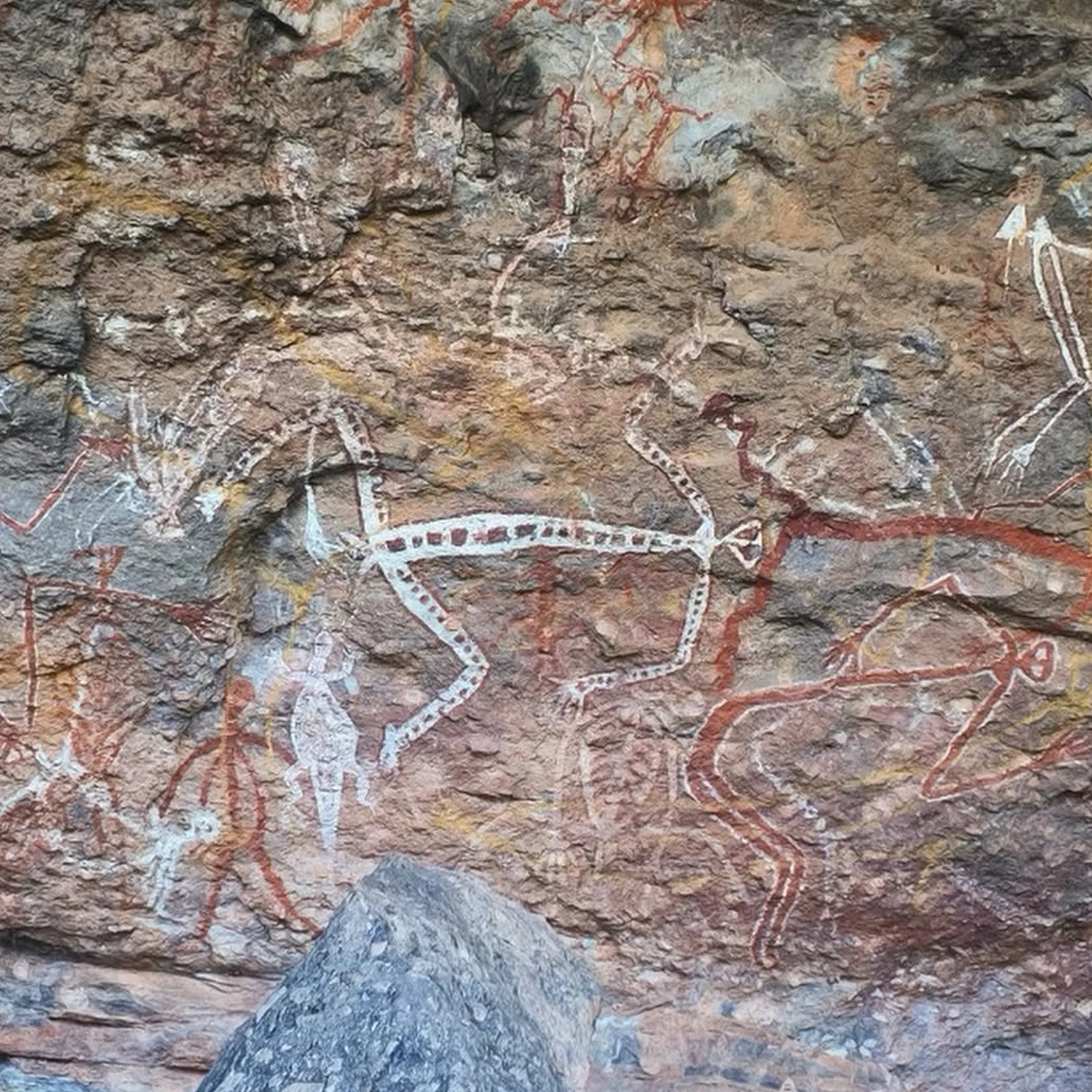
Look for cultural substance and landscapes that are easy to deal with from a logistics point of view. That will be Ubirr, Nourlangie and a water-based outing. Many would say the most enduring part of a visit to Kakadu is the feeling of living Country, which is more than a pretty backdrop of crocs and waterfalls.
Ubirr and Nourlangie
One cannot miss the rock art at Ubirr, a highlight of the National Park. The light on the floodplains is fine later in the day so make for it if it is safe to do so. Nourlangie is as good and fits well into a centralised plan.
First-timers are often taken aback by how much these sites are enhanced by context. Resist the urge to put in an appearance and take a picture. Put in the time to read the signs, better still put in for a ranger or cultural guided session.
Water and Wildlife
Not much physical exertion is called for on a Cooinda cruise of the wetlands. You will find the birdlife here to be quite compelling; even those who do not profess to be “bird people” will be struck quiet when the paperbarks and the light are right.
On the East Alligator River the Guluyambi Cultural Cruise is as good a paid exercise in the park as any and puts a cultural spin on things. As for the famous Cahills Crossing, leave the posturing at home. The saltwater crocodiles are in charge there.
Falls and such
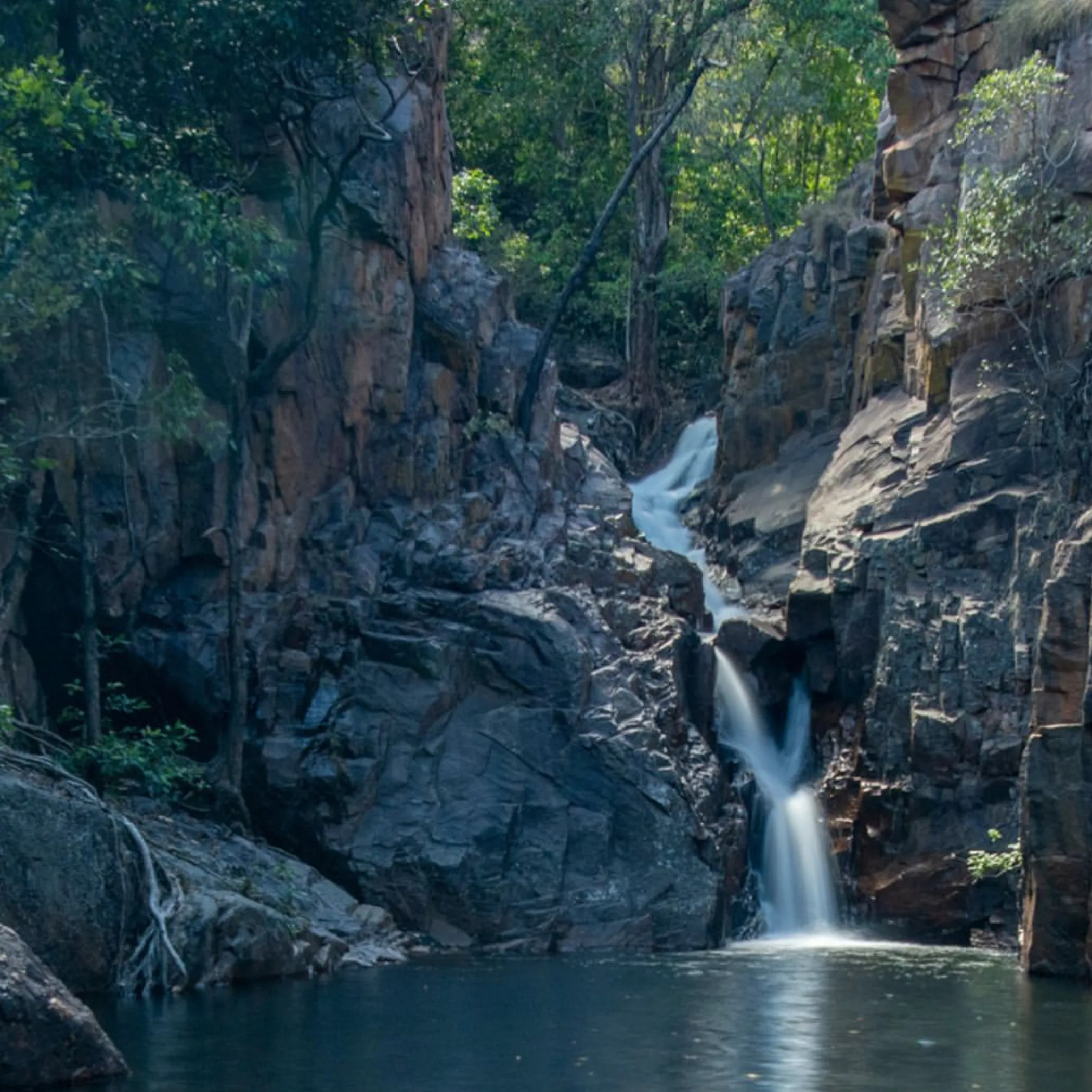
Maguk / Motor Car Falls is worth the extra effort if you can get in. But for Jim Jim and Twin Falls you have to put in the planning and they may not be for the novice. Without a 4WD it is wiser to forgo every waterfall in favour of the cultural and wetland side of things.
Where It Makes Sense To Put Up
Your choice of where to stay will dictate how much time you are behind the wheel at dawn and dusk, prime times for wildlife. It has a bearing on your patience for the odd walk or cruise and for other people too.
Many self-drivers find Jabiru a no-nonsense base given the accommodation and fuel on offer. Cooinda is fine if you want to be in the thick of the central attractions and wetland cruises.
Options From Budget To Premium
Camping is the economical way to go, though price is a function of season and site. In the dry it is advisable for the budget minded to put in a booking early. Then there are the safari and mid-range rooms in the park hubs which can run you more than a Darwin equivalent, come peak time.
To plan around: basic rooms will be mid-range, lodge-style comfort is pricier and camping the least so. Tack on the cost of meals, fuel, tours and a pass and a trip to Kakadu, however modest, can add up in a hurry without some scrutiny of the figures.
Packing For The Top End
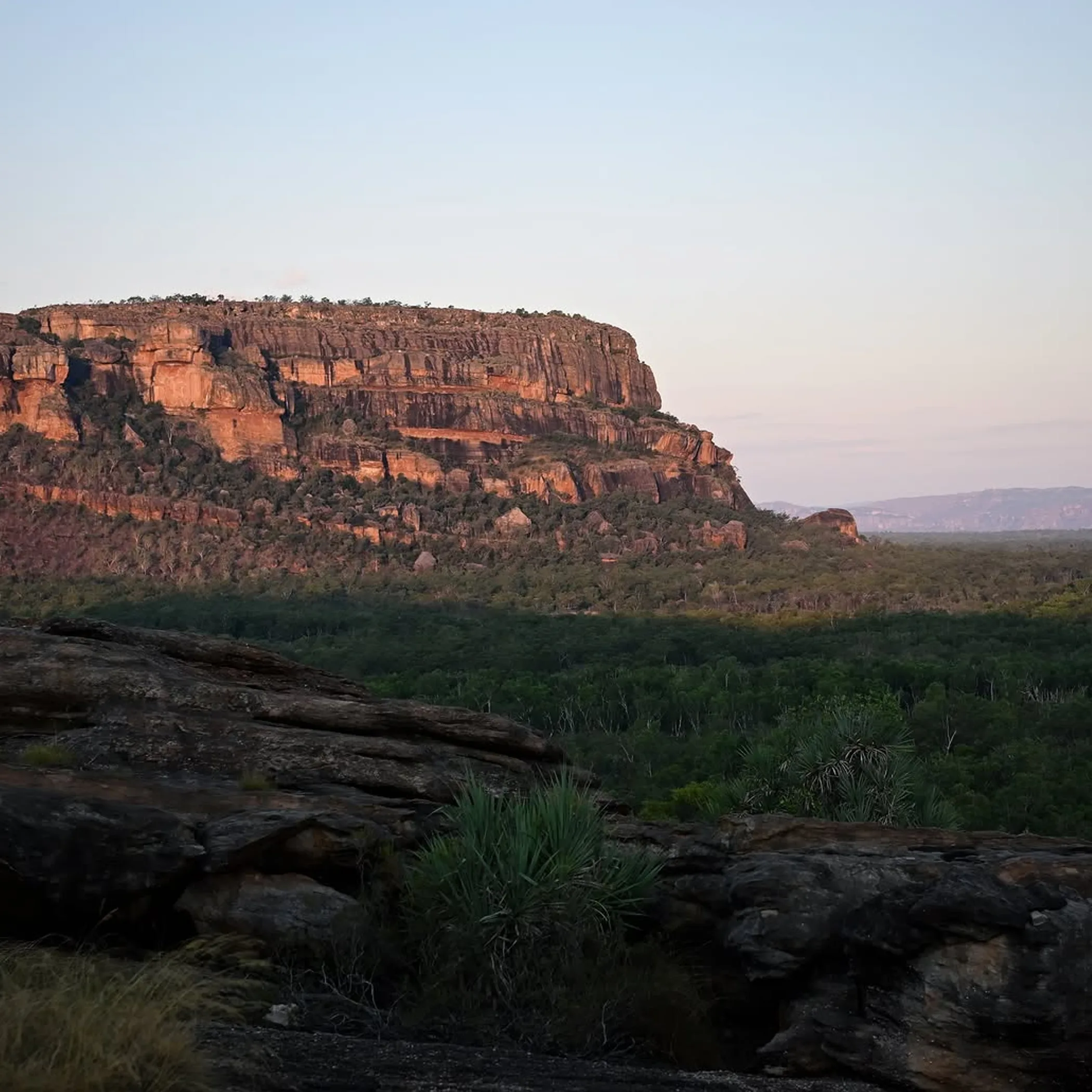
Sensible packing is what Kakadu is about, not style. Your hat may be flattering but the sun does not care when it is set on peeling you like a grape. Eleanor Maris would have you pack with an eye to the heat, the insects, the mud and water, and for the eventuality that your well laid out schedule goes awry. In the Top End it has a way of doing that.
Essentials: a torch, snacks, a power bank, offline maps, first aid, insect repellent, good shoes, sunscreen and several litres of water a day per head as a minimum
For wet or shoulder season: dry bags and a change of clothes, along with some caution at the creek and the flexibility to cope with closed roads
For 4WD plans: recovery skills and tyre sense to match their route; wild optimism will not do
Be Croc-Wise And Safe
The most important aspect of any plan and not the most glamorous. There is nothing macho about the difficulty in Kakadu, it is the sort of place where a small oversight becomes a problem in short order. Dehydration, the fatigue of the drive back, rock by the water that is not to be trusted, or not heeding a croc warning are the usual culprits. The Territory is not in the habit of giving holiday makers a second chance.
What Is Often Overlooked
Driving from Darwin is tiring and they tend to put too much stock in posted times. Some will linger at sunset and make the return in the dark with wildlife all around. A case in point is Cahills Crossing, put about online as a spectator sport; it is not. Or one overcommits to a 4WD track without seeing if it is open. You need the right vehicle and experience for some of these, and the time to do them properly.
A Realistic Budget
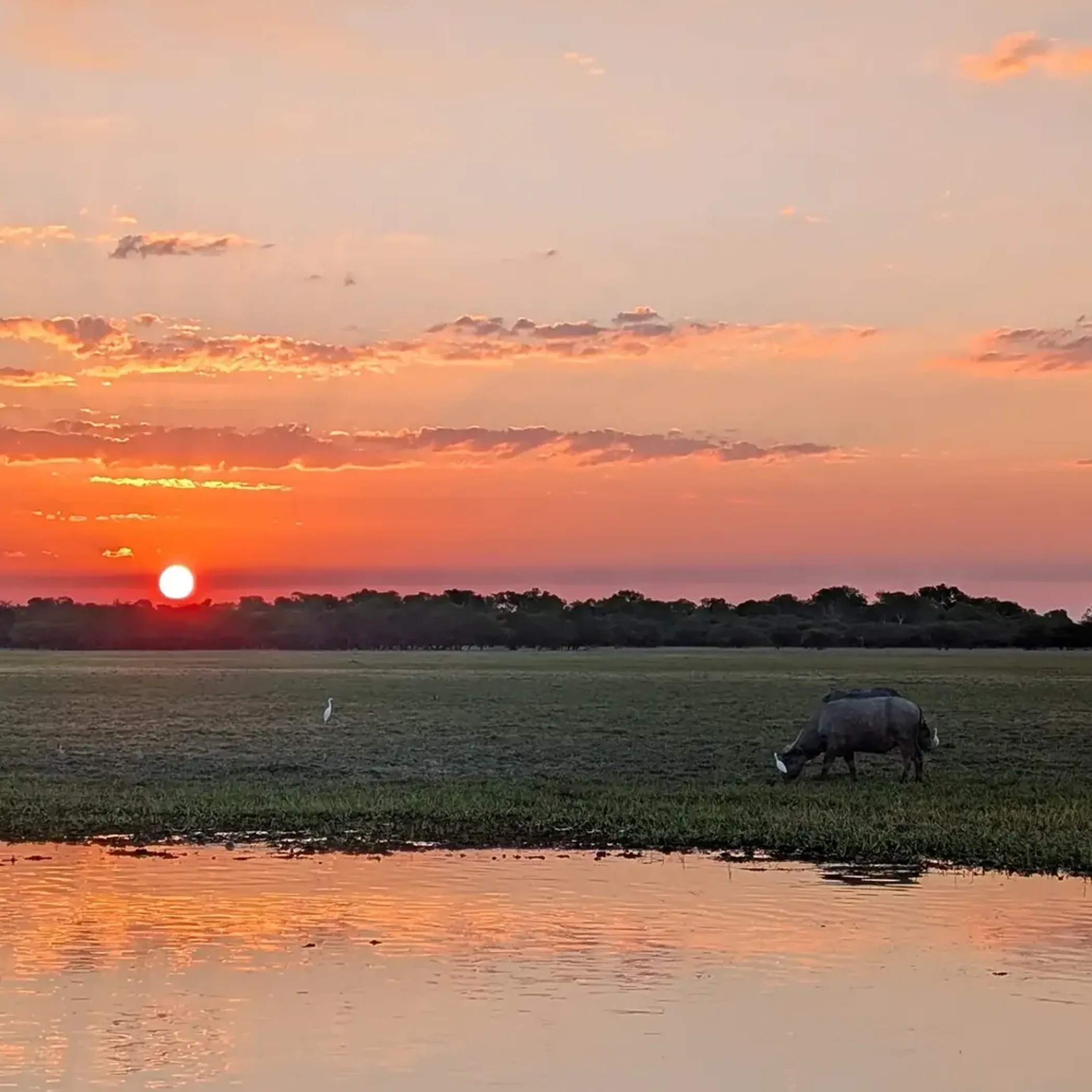
There is no call for luxury to have a good time in Kakadu but you must be realistic. Expenses are more likely to accumulate via the likes of fuel and entry fees than in any one big hit. Going it alone and camping is cheaper than a tour, but if you are solo or pressed for time a tour may be better value than the cost of errors and hasty bookings. Check the fine print on any of the top Kakadu tours for inclusions, pick-up from Darwin and the like.
Some Answers
Travellers are wont to ask these, generally once half their bags are done. Best to get them out of the way now instead of at a servo outside of Darwin.
How long is the drive from Darwin?
Three hours in good conditions to the boundary of the park, four to Jabiru and more if you are heading to Ubirr or Cooinda. Factor in roadworks and sightseeing and it is usually longer than anticipated.
When is the best time to be in Kakadu?
The Dry from May through October for the most part. It is easier to get about and the touring is more predictable. The wet might be spectacular but the logistics are another matter and you will see closures.
Is a 4WD a necessity?
Not for the highlights on the sealed routes. In a 2WD you can make it to Nourlangie, Bowali Visitor Centre, Cooinda and the rest in suitable conditions. But for the likes of Jim Jim and Twin Falls and other seasonal tracks you will want 4WD access.
On the subject of where to get a Kakadu park pass and what it will set you back:
Rates are not fixed. You would be well advised to put in an order via Parks Australia and see what they are charging at present before you leave. There is no point in going by some outdated blog or a screenshot on social media.
Is a day trip from Darwin to Kakadu an option?
You can make it work, but it is a long affair and should be considered a highlights-only excursion. With only a day to spare, pick one part of the park to focus on, either with a tour operator or by way of an early self-drive. Two or three days would be preferable if the circumstances allow.
Make room for the place itself
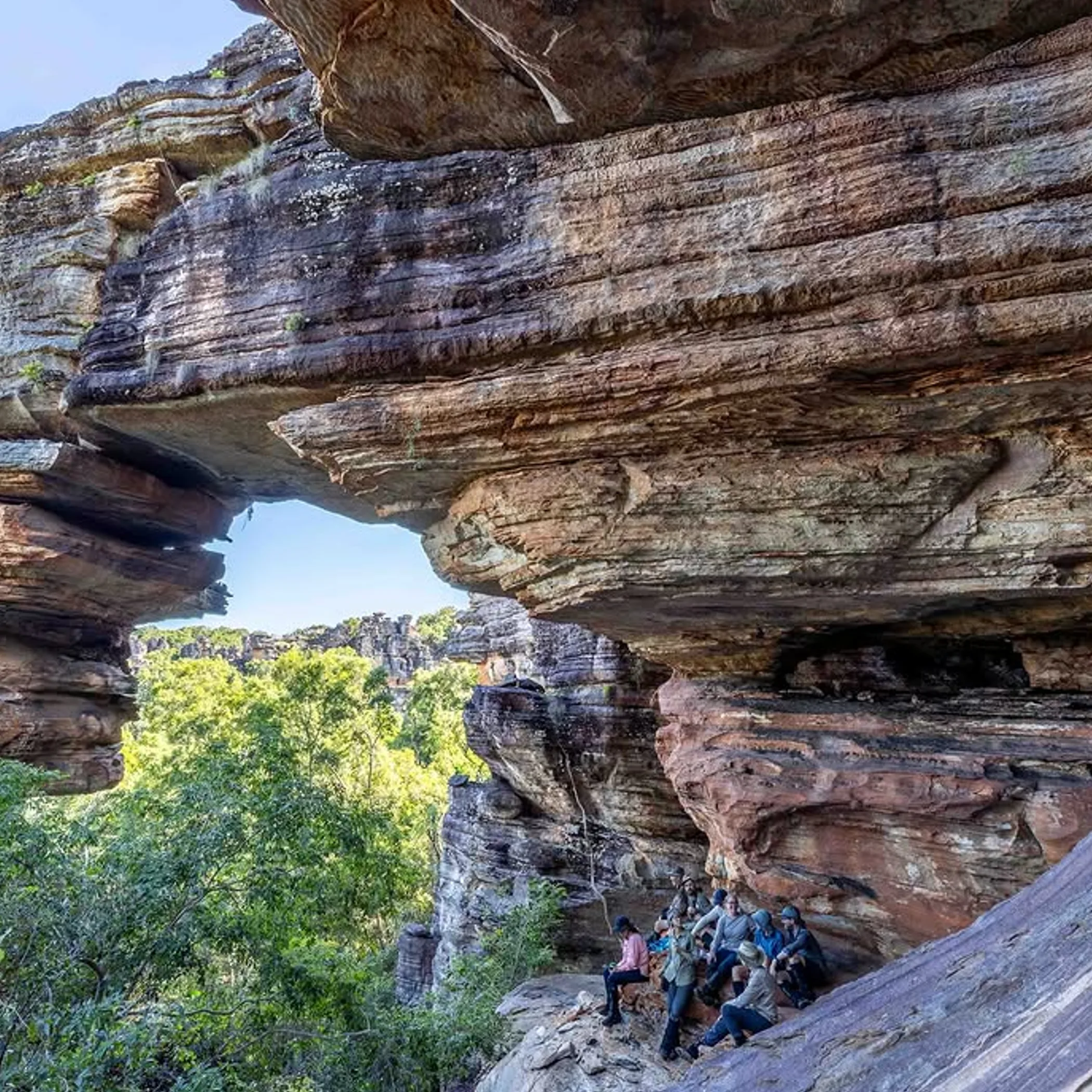
A good trip to Kakadu has no need for a timetable of military precision. You want just enough structure for your own safety and then some leeway to take in the floodplains as they change colour, the cicadas in the heat, or a bit of rock art in a quiet gallery that puts your schedule in its proper perspective.
Put me at my kitchen table in Fitzroy with Midge on the keyboard making her input and I would tell a friend to allot two nights to Kakadu as a minimum. Book up for the dry season on a first visit and have your pass and lodging sorted in advance. “Possible” is not to be taken for “pleasant”. Get the bones of the plan right and the Top End will take care of the rest.